

 English
 Español
 عربى
عربى
The 15-foot Even Airflow Industrial BLDC Ceiling Fan utilizes a high-efficiency BLDC motor and carefully designed blades. This ceiling fan operates with extremely low noise levels, making it suitable ...
Content
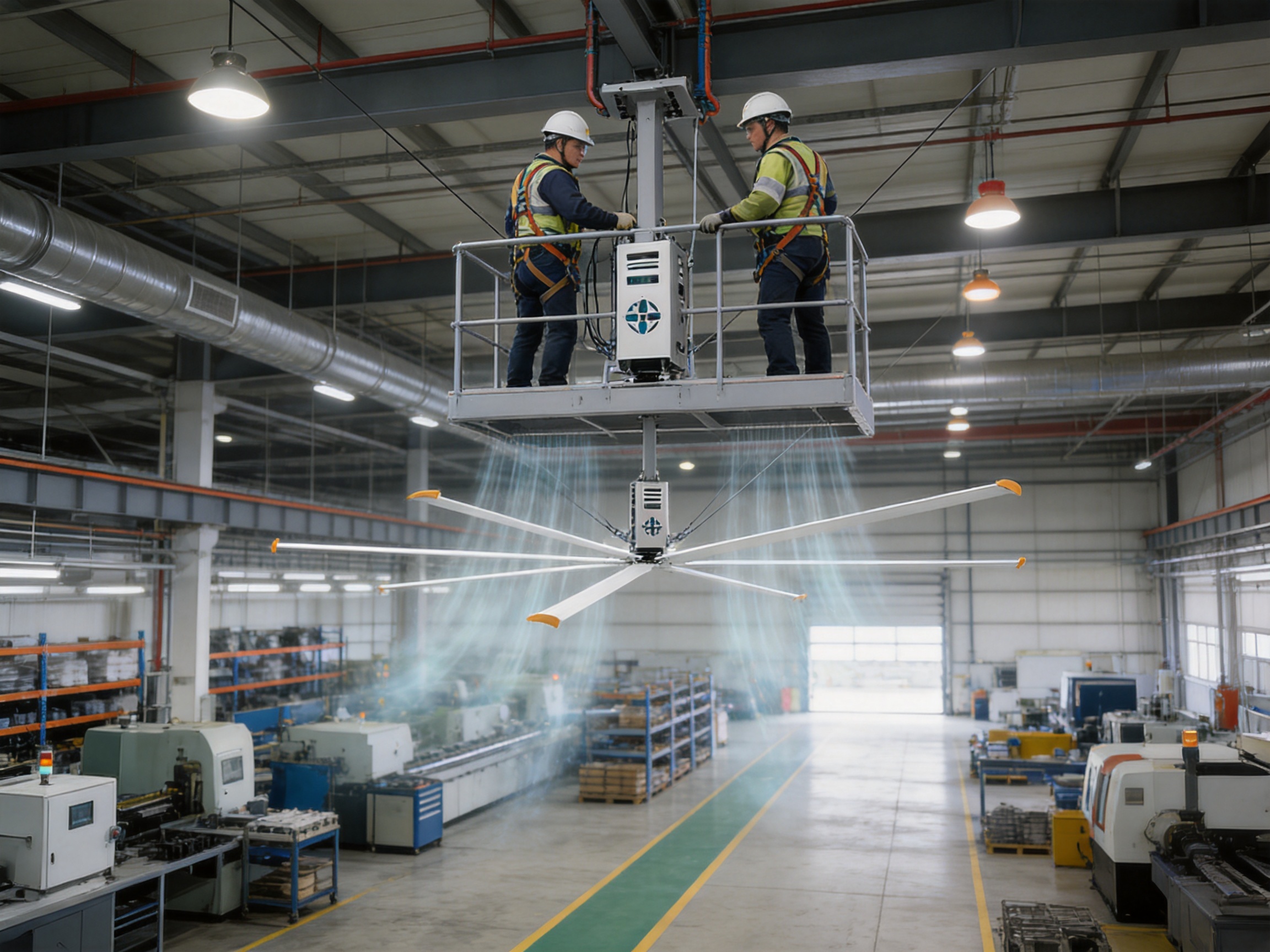
Small workshops often face ventilation challenges that are difficult to solve with conventional fans. Limited ceiling height, concentrated heat from machinery, airborne dust, variable occupancy, and uneven airflow can create uncomfortable and inefficient working conditions. A standard high-speed fan may move air strongly in one direction, but it may not circulate air throughout the entire workspace. Air-conditioning systems can provide temperature control, yet they may involve high installation and operating costs, especially in facilities with large open doors or frequent air exchange.
A 7-foot HVLS ceiling fan provides a practical alternative for small industrial workshops, production rooms, automotive repair facilities, agricultural buildings, retail spaces, and other medium-sized indoor environments. With a fan diameter of approximately 2.1 meters, this type of large-diameter, low-speed fan distributes air across a broad area while operating at a comparatively low rotational speed. The result is a more even indoor airflow pattern, improved occupant comfort, and reduced dependence on smaller high-speed fans or mechanical cooling.
The product described in this article is designed for industrial ventilation and is manufactured by a company with experience in large industrial ceiling fans, motor integration, automated machining, welding, testing, and customized OEM and ODM services. Its aluminum alloy blades, Nord motor, flexible electrical input options, and low-speed airflow performance make it suitable for customers seeking a dependable workshop ventilation solution.
This article explains the product’s design, performance, applications, manufacturing strengths, installation considerations, maintenance requirements, and advantages compared with conventional ventilation equipment. It also clarifies how the 7-foot configuration fits into a broader HVLS product range and how buyers can select the appropriate specification for their facility.
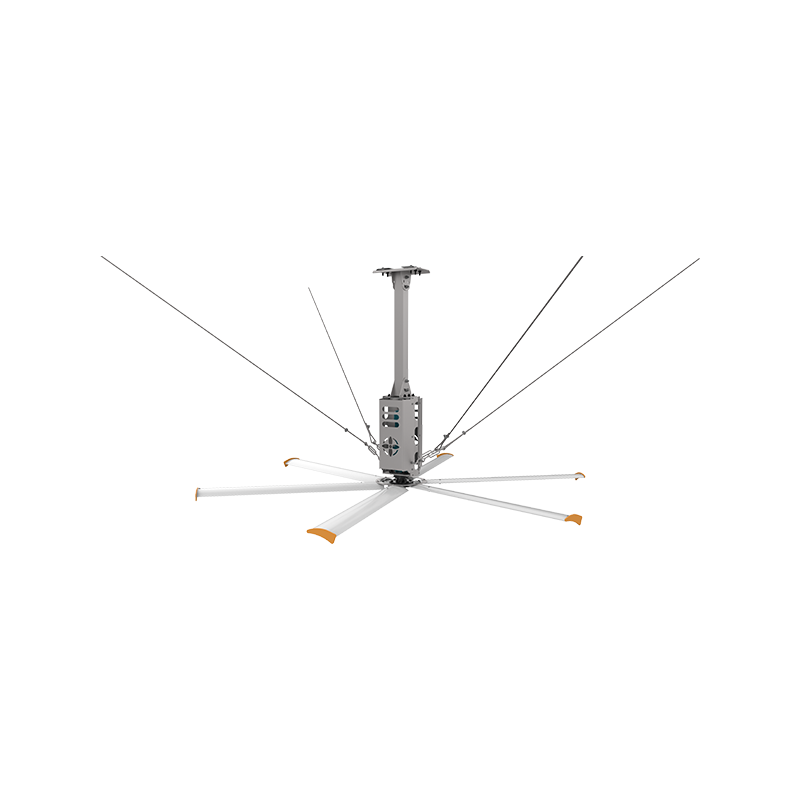
7-foot HVLS ceiling fan for small workshops
HVLS means “high volume, low speed.” Unlike a small fan that produces a narrow, fast-moving air stream, an HVLS ceiling fan uses large blades to move a substantial volume of air at a low rotational speed. The air is pushed downward and outward, creating a broad circulation pattern that can cover a large portion of the floor area.
The 7-foot model has a nominal fan diameter of approximately 7 feet, or 2.1 meters. Its large blade span allows it to influence the air over a wider area than a conventional wall-mounted or pedestal fan. The fan is intended to be installed overhead, where it can circulate air without occupying valuable floor or wall space.
For small workshops, overhead installation offers several practical benefits. Floor-mounted equipment remains accessible, workstations are less obstructed, and the fan can provide airflow above machinery, benches, storage areas, and employee working zones. Because the fan operates at low speed, it can create a comfortable air movement without the intense, localized blast often associated with small high-speed fans.
The product information identifies a coverage area of approximately 120 square meters for the 7-foot configuration. Actual coverage depends on ceiling height, building layout, obstructions, temperature differences, humidity, ventilation openings, and the desired level of air movement. A professional site assessment is recommended before final selection and installation.
The 7-foot configuration is built for industrial and commercial environments rather than ordinary residential use. Its key specifications include a 2.1-meter or 7-foot fan diameter, six aluminum alloy blades, a Nord motor, a stated weight of approximately 70 kilograms, and a rotational range listed from 0 to 135 revolutions per minute. The product supports 50 Hz and 60 Hz electrical frequencies and can be configured for common industrial voltages.
The supplied information includes both configuration-specific data and a broader model table covering HVLS fans from approximately 14 feet to 28 feet. The broader table lists models such as AWF42, AWF49, AWF55, AWF61, AWF73, AWF80, and AWF86. These models are not all 7-foot fans; they represent a wider product family. Buyers should therefore confirm the exact model, motor rating, input voltage, control system, blade count, and airflow value before ordering.
| Item | 7-Foot Configuration | Selection Consideration |
|---|---|---|
| Nominal diameter | 2.1 meters / 7 feet | Suitable for small and medium-sized indoor areas |
| Blade material | Aluminum alloy | Lightweight, corrosion-resistant, and suitable for industrial use |
| Number of blades | 6 pieces | Designed for balanced, broad-area airflow |
| Motor brand | Nord | Industrial motor option for reliable continuous operation |
| Listed speed range | 0–135 RPM | Allows low-speed adjustment and airflow control |
| Frequency | 50 Hz / 60 Hz | Compatible with different regional electrical systems |
| Voltage options | 220 V / 380 V / 415 V, subject to configuration | Confirm the required voltage before production |
| Approximate weight | 70 kg | Requires suitable structural support and professional installation |
| Recommended coverage | Approximately 120 m² | Actual coverage depends on ceiling height and building conditions |
| Packaging | Wooden cases | Supports safer transport and export handling |
Some published product data also refers to a power value of 0.75 kW, while the wider model table includes different power ratings for larger models. This reflects the fact that HVLS fan specifications vary by diameter, motor configuration, electrical system, and application. The final technical data sheet supplied with the quotation or purchase order should be treated as the controlling specification for the selected fan.
The main advantage of an HVLS fan is its ability to move a large volume of air over a broad area. A small fan may provide strong airflow close to its blades but weak airflow only a few meters away. By contrast, the 7-foot fan is designed to distribute air across a wider circle, reducing stagnant zones and improving general circulation.
Even air movement is particularly useful in workshops where heat accumulates around machinery, welding stations, compressors, ovens, lighting systems, or production equipment. When warm air gathers near the ceiling, the fan can help bring air downward and encourage mixing between upper and lower air layers. This can make the working environment feel more comfortable without requiring the fan to operate at high speed.
Traditional industrial fans often generate a concentrated jet of air. This can be useful for spot cooling, but it may be uncomfortable for personnel who remain directly in the air stream. Strong localized drafts can also disturb lightweight materials, paperwork, packaging, dust, or work processes.
The large-diameter design creates a gentler, more widely distributed airflow pattern. Users can adjust the fan speed to match the activity in the workshop. Lower speeds may be appropriate for general circulation, while higher settings can be used when the indoor heat load increases or when additional air movement is required.
Because the fan is mounted on the ceiling, it does not occupy floor space. This is valuable in small workshops where every square meter may be used for machinery, storage, materials, workbenches, or vehicle access. Wall-mounted fans can also obstruct doors, racks, windows, and service areas, while pedestal fans may create trip hazards or interfere with material handling.
Ceiling installation can also improve safety by reducing contact with moving equipment at floor level. Nevertheless, the supporting structure, suspension system, safety cables, electrical connection, and clearance must be correctly designed. A large industrial fan should never be attached to an unsuitable ceiling surface without structural verification.
The product is designed to support 50 Hz and 60 Hz frequencies, allowing it to serve customers in different countries and regions. The listed voltage options include 220 V, 380 V, and 415 V, while another specification lists an input range of 200–240 V or 380–480 V. These figures indicate that different electrical configurations are available, but the exact input must be confirmed for each project.
Electrical flexibility is an important advantage for international customers, distributors, contractors, and OEM buyers. It reduces the need to redesign the product for every market and allows the manufacturer to prepare a configuration suited to the customer’s local power network.
The blades are made from aluminum alloy. Aluminum alloy is widely used in industrial ventilation equipment because it combines low weight with good rigidity and corrosion resistance. A lighter blade assembly can reduce the mechanical load on the motor and supporting structure, while a rigid blade maintains its intended aerodynamic shape during operation.
In workshops, fans may be exposed to dust, humidity, temperature fluctuations, and airborne particles. Although the fan should still be installed in an environment appropriate for its protection rating, aluminum alloy construction can offer a useful durability advantage over materials that are more vulnerable to rust or excessive weight.
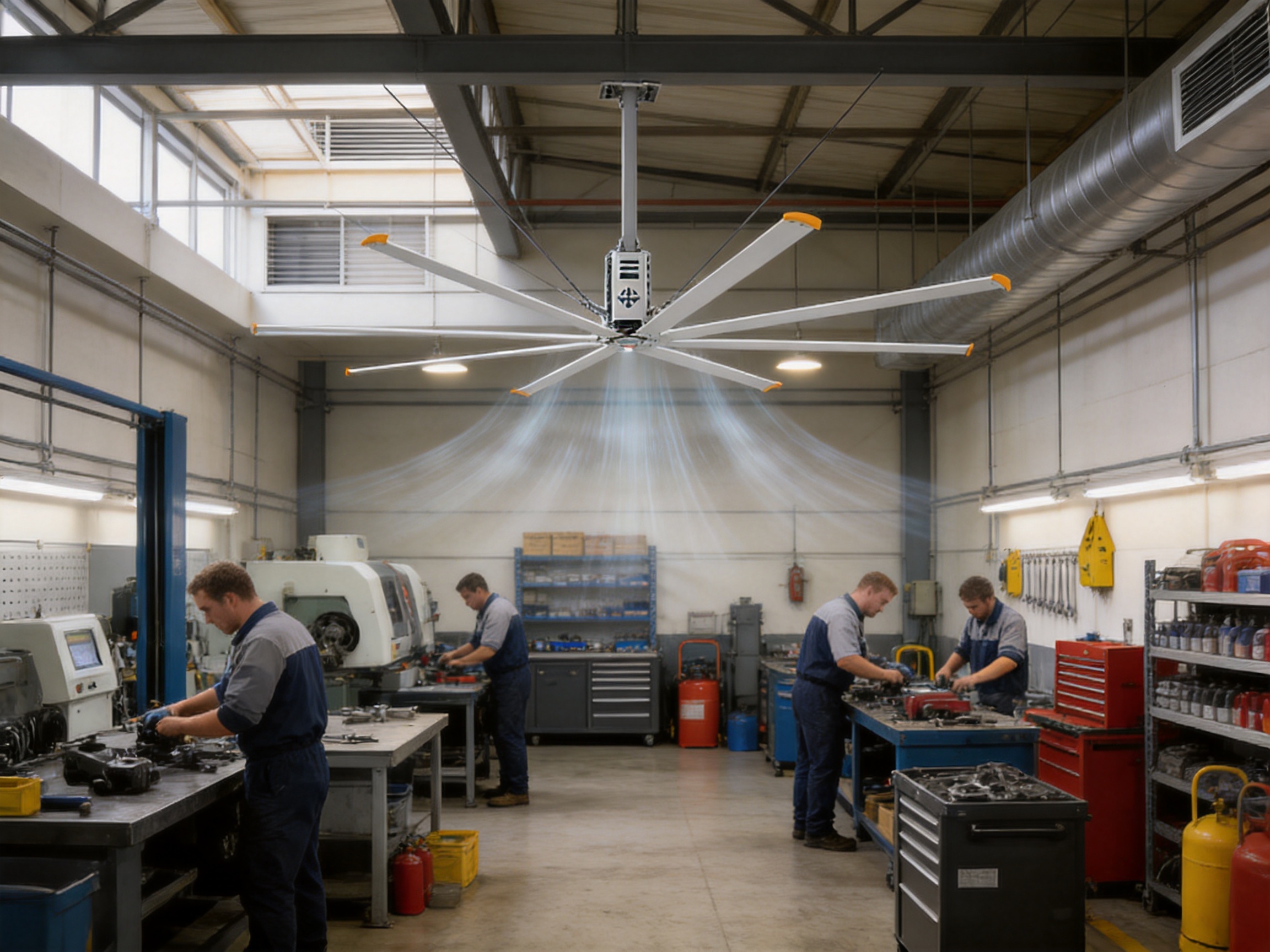
HVLS fans and conventional industrial fans serve different purposes. A wall-mounted fan is often selected for directional airflow in a specific area. A pedestal fan can be moved from one workstation to another. A small ceiling fan can provide local circulation in a limited room. The 7-foot HVLS fan is intended for broad-area air movement across an open indoor space.
| Comparison Factor | 7-Foot HVLS Ceiling Fan | Small High-Speed Fan | Wall-Mounted Fan | Pedestal Fan |
|---|---|---|---|---|
| Airflow pattern | Broad, downward, and outward circulation | Concentrated air stream | Directional airflow | Directional airflow at floor level |
| Floor space | Does not occupy floor space | Usually minimal floor or wall space | Uses wall space | Uses floor space |
| Coverage suitability | Open workshops and medium-sized areas | Small personal or workstation zones | Specific wall-side zones | Localized areas |
| Air movement comfort | Gentle and distributed at low speed | Can be strong and concentrated | Strong in the target direction | Strong in the target direction |
| Mobility | Fixed installation | Fixed or portable depending on model | Fixed installation | Portable |
| Workshop integration | Suitable for permanent facility ventilation | Useful as supplemental equipment | Useful for targeted ventilation | Useful for temporary or flexible cooling |
The HVLS design does not necessarily replace every other fan. In some workshops, the most effective solution combines a large ceiling fan with exhaust fans, louvers, air inlets, or localized fans near heat-producing equipment. The 7-foot unit is best understood as a central air-circulation device that supports a broader ventilation strategy.
Small workshops often contain a mixture of production machinery, storage racks, workstations, and open access doors. This arrangement can create uneven temperatures and stagnant areas. Heat released by motors and processing equipment may rise toward the ceiling, while cooler air remains near the floor. Personnel may experience different comfort levels depending on their position within the building.
A ceiling-mounted HVLS fan helps mix these air layers. During warm weather, continuous circulation can improve the perceived comfort of workers by increasing air movement across the skin. During cooler periods, gentle destratification can help reduce the temperature difference between the ceiling and floor. The fan does not create cooling in the same way as an air-conditioning system, but it can make existing indoor conditions feel more balanced.
For a workshop with approximately 120 square meters of usable area, one 7-foot fan may be appropriate depending on the ceiling height and floor plan. If machinery, partitions, mezzanines, or storage racks interrupt the airflow, multiple smaller units or a different fan arrangement may be more suitable. The correct layout should consider the location of heat sources, employee workstations, doors, windows, exhaust points, and overhead obstructions.
Warehouses can experience temperature differences between storage aisles, loading zones, and upper ceiling areas. A large-diameter fan can improve general air circulation without occupying aisle space. Better circulation may also support a more consistent indoor environment for employees and stored materials, although product-specific temperature and humidity requirements must be evaluated separately.
Automotive repair facilities often contain large doors, vehicle bays, lifting equipment, and localized heat from engines, compressors, and welding operations. The overhead fan can provide broad air movement while leaving the floor clear for vehicles and technicians. It can also be used alongside exhaust systems designed for fumes and combustion gases.
Barns and agricultural structures may require continuous air movement to support more stable conditions for livestock, crops, or stored materials. The fan’s large blades can move air over a broad area, but the final application must account for moisture, dust, ammonia, washdown conditions, and the required equipment protection level.
Retail stores, exhibition halls, and event spaces may benefit from comfortable air circulation that does not create an intrusive high-speed draft. The low-speed operation of an HVLS fan can provide background air movement while preserving usable floor space. Appearance, noise, ceiling structure, lighting coordination, and customer comfort should all be considered during design.
Physical activity generates heat and increases the need for air movement. A large ceiling fan can distribute air over exercise or sports areas and may help improve comfort during busy periods. The installation must maintain adequate clearance from sports equipment, lighting, sprinkler systems, suspended structures, and occupied areas.
Manufacturing plants can use HVLS fans to improve air circulation around production lines and reduce stagnant zones. In food processing facilities, hygiene, cleanability, corrosion resistance, airflow direction, and contamination control are especially important. The fan should be selected and installed according to the facility’s sanitation procedures and applicable regulations.
The product is specified with a Nord motor, which is an important part of the fan’s industrial configuration. Motor selection affects torque, efficiency, operating stability, service life, noise, and compatibility with the control system. For an HVLS fan, the motor must deliver controlled rotation at low speed while maintaining sufficient torque to move the large blade assembly.
The listed speed range reaches up to 135 RPM for the 7-foot configuration, while the broader product table gives maximum speeds for different fan diameters. Larger fans normally operate at lower maximum speeds because their blade tips travel a greater distance during each rotation. The correct operating speed should always be determined by the final model specification and the installation environment.
Variable-speed control is valuable because workshop conditions change throughout the day. A low setting may be sufficient during mild weather or low occupancy. A higher setting may be selected during production peaks, warmer seasons, or periods of increased heat generation. Gradual adjustment also allows operators to balance comfort, noise, and airflow.
Electrical installation should be completed by qualified personnel. The power supply, protective devices, grounding, isolator, controller, cable size, and emergency-stop provisions should comply with local requirements. If the fan is installed in a dusty, humid, or chemically active environment, the electrical protection and motor enclosure must be checked carefully.
The manufacturer operates an approximately 8,000-square-meter production base in Shanghai, China. Its facilities include high-precision automated machinery, a machining center, a cutting center, a welding center, and a testing center. These capabilities support the production of large industrial fans and help control important quality factors such as dimensional accuracy, structural consistency, weld quality, component fit, and operating performance.
Automated production equipment can improve repeatability across batches. For an industrial fan, consistent dimensions are important because blade balance, hub alignment, mounting geometry, and frame accuracy influence vibration and operating stability. High-precision machinery can help reduce variation between units and support more reliable assembly.
A dedicated machining center supports the manufacture of accurately dimensioned metal parts and mechanical interfaces. Components such as hubs, brackets, shafts, and connection parts require appropriate tolerances to ensure proper alignment. Accurate machining can also reduce assembly difficulties and support easier maintenance in the field.
Controlled cutting processes are valuable when producing aluminum alloy blades and structural components. Accurate cutting helps maintain consistent blade geometry and improves the repeatability of the final fan assembly. Proper preparation of cut edges also supports subsequent forming, finishing, and welding processes.
The welding center supports the manufacture of support structures, frames, brackets, and other metal assemblies. Welding quality is especially important for suspended equipment because the fan’s structural components must safely carry operational loads. Weld inspection, dimensional checks, and appropriate finishing procedures should form part of the manufacturer’s quality-control process.
A testing center allows finished products and key components to be evaluated before shipment. Depending on the specific product and order requirements, testing may include startup operation, speed control, current draw, vibration, noise, balance, electrical safety, and general mechanical performance. Testing helps identify production issues before the fan reaches the installation site.
The combination of manufacturing equipment and in-house testing provides an important advantage over suppliers that rely heavily on external assembly or inconsistent component sourcing. It supports better process control and makes it easier to provide customized specifications for international customers.
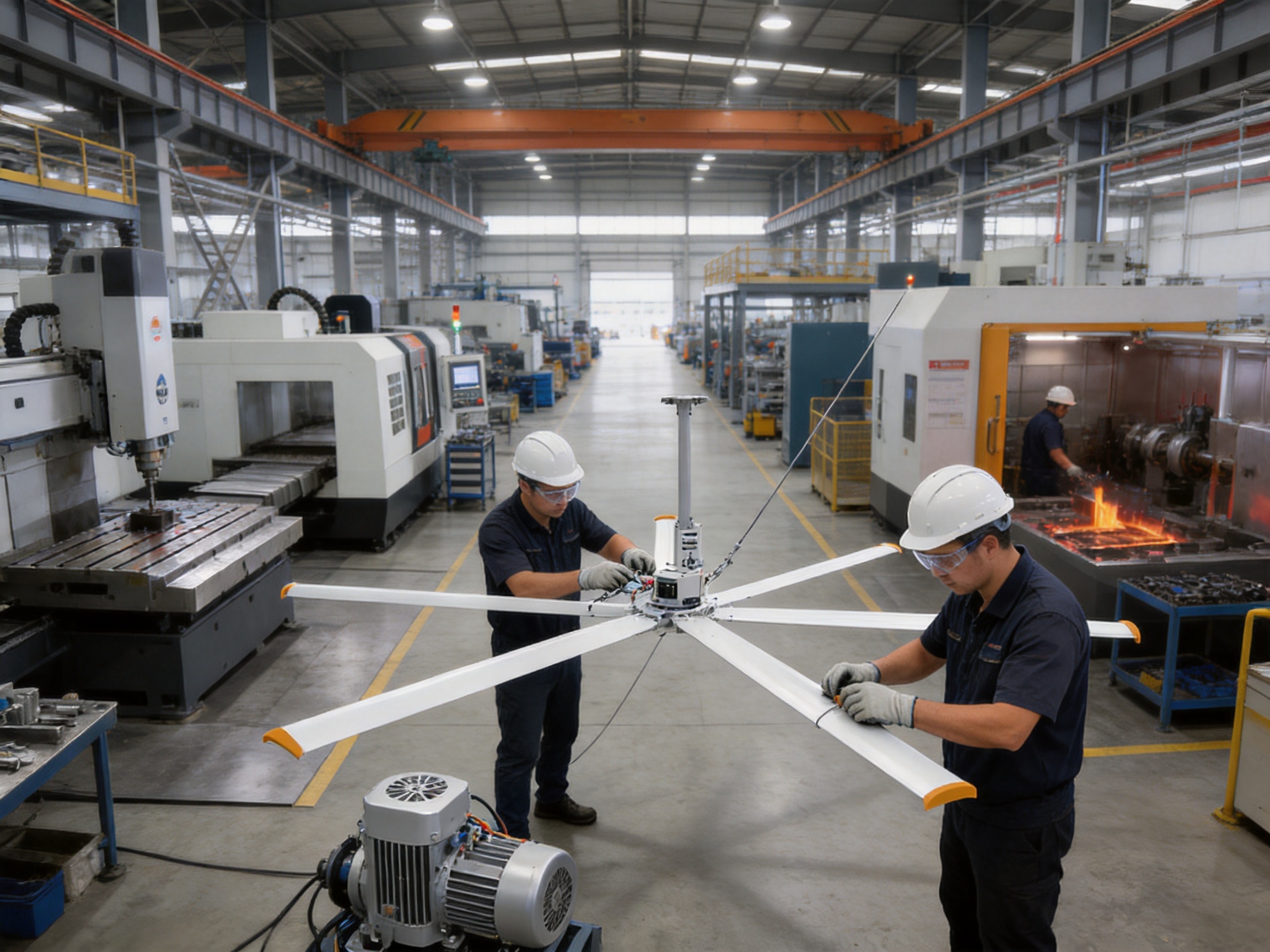
The company offers OEM and ODM support. OEM service is useful for distributors and industrial equipment brands that require private labeling, customized documentation, packaging, or specific electrical configurations. ODM service is suitable for customers seeking assistance with product adaptation, technical design, application-specific modifications, or a complete fan solution based on their project requirements.
Customization may include voltage, frequency, blade configuration, control options, mounting arrangements, packaging, color, labeling, and documentation. The extent of customization depends on the order quantity, technical feasibility, and project schedule. Customers should provide complete application information at the quotation stage to reduce the risk of specification changes later.
The product is supplied in wooden cases, which can help protect the fan and its components during domestic transport, container loading, and international shipping. Proper packaging is particularly important for large aluminum blades, motors, suspension parts, and control equipment. Packaging should be matched to the shipping method and storage conditions.
A stated three-year warranty is associated with the product information. Warranty coverage normally depends on the final sales agreement, installation quality, operating conditions, maintenance, and the use of approved electrical components. Buyers should request written warranty terms, including what is covered, exclusions, spare-parts support, response procedures, and requirements for authorized installation.
Installation planning should begin before the fan is ordered. The workshop ceiling must be inspected to confirm that it can safely support the fan, suspension system, dynamic loads, and safety devices. The fan should not be attached only to a lightweight ceiling panel or an unverified secondary structure.
Important planning factors include ceiling height, roof structure, available clearance, beams, lights, sprinklers, cranes, ductwork, cable trays, doors, mezzanines, and other overhead equipment. The fan must have sufficient clearance from walls and obstructions so that the blades can operate safely and the airflow can spread effectively.
The fan’s weight is listed as approximately 70 kilograms. This figure does not represent the total load on the building structure, because the suspension system and dynamic operating forces must also be considered. Structural engineers or qualified installation professionals should determine the appropriate mounting method.
Electrical routing should be planned so that cables are protected from mechanical damage, heat, moisture, and interference with moving equipment. The control location should be accessible to operators but protected from accidental impact. An isolator and emergency shutoff arrangement may be required depending on the local electrical code and application.
Routine maintenance supports safe and reliable operation. Before inspection, cleaning, or servicing, the fan should be switched off, isolated from the electrical supply, and secured against accidental restart. Only trained personnel should work on the motor, controller, suspension system, or electrical components.
Maintenance tasks may include checking blade condition, inspecting fasteners, examining suspension points, confirming safety cable integrity, cleaning accumulated dust, checking unusual noise or vibration, and reviewing electrical connections. In dusty workshops, deposits should be removed before they become heavy enough to affect balance or airflow.
Any change in vibration, unusual sound, slower acceleration, irregular speed control, overheating, or visible structural damage should be investigated promptly. Continued operation under abnormal conditions may increase the risk of equipment failure or damage to the mounting structure.
The maintenance schedule should be adapted to the operating environment. A clean retail space may require less frequent cleaning than a woodworking shop, agricultural building, welding area, or manufacturing facility. A documented inspection program is recommended for commercial and industrial installations.
The 7-foot HVLS ceiling fan competes through a combination of broad-area airflow, flexible electrical compatibility, industrial construction, manufacturing control, and customization support. Its aluminum alloy blades provide a practical balance between low weight and mechanical strength. Its six-blade configuration is designed for stable air distribution across the intended coverage area.
Compared with low-cost fans assembled from generic components, an integrated industrial product can offer clearer technical coordination between the motor, blades, hub, controller, mounting system, and testing process. This integration is important because the performance of an HVLS fan depends on the complete system rather than on any single part.
Compared with small high-speed fans, the product provides a broader and less concentrated airflow pattern. Compared with portable pedestal fans, it saves floor space and can support continuous facility-wide ventilation. Compared with air-conditioning alone, it may provide a lower-complexity method of improving perceived comfort and air circulation in open workshops, although it does not replace refrigeration or humidity-control equipment where those functions are required.
The manufacturer’s production facilities, customized services, export packaging, international electrical options, and stated warranty further strengthen its suitability for overseas buyers. Customers can work with the supplier to specify the correct voltage, frequency, blade arrangement, control method, packaging, and documentation for their local market.
Before placing an order, buyers should confirm the exact fan model and request a final technical data sheet. The 7-foot product description is supported by a separate broader model table, so it is important to distinguish the 7-foot configuration from larger models in the same product family.
Buyers should also request drawings or installation instructions when the fan will be installed in a complex building. A correct fan selection can still perform poorly if it is mounted too close to a wall, obstructed by beams, installed at an unsuitable height, or operated without proper structural support.
HVLS means high volume, low speed. An HVLS fan uses large blades to circulate a substantial volume of air at a relatively low rotational speed. This produces broad-area airflow rather than a narrow, concentrated air jet.
Yes. The 7-foot configuration is intended for small and medium-sized industrial spaces and is listed with an approximate coverage area of 120 square meters. The actual suitability depends on ceiling height, building layout, machinery, obstructions, heat sources, and ventilation requirements.
The fan primarily improves air circulation and perceived comfort. It does not provide refrigeration or directly remove heat from the building like an air-conditioning system. It may be used with air-conditioning, exhaust fans, louvers, or other ventilation equipment as part of an integrated system.
The 7-foot configuration has a nominal diameter of approximately 2.1 meters. The supplier also offers a broader range of larger HVLS models, so the exact diameter should be confirmed on the quotation and technical data sheet.
The listed 7-foot configuration has six aluminum alloy blades. Other models in the broader HVLS range may use different blade counts, so buyers should confirm the blade configuration for the selected model.
The product information identifies 50 Hz and 60 Hz frequency support and lists 220 V, 380 V, and 415 V options. Another input specification lists 200–240 V or 380–480 V. Since electrical configurations may vary, the buyer should confirm the exact voltage, phase, frequency, and control system before ordering.
The product information identifies a Nord motor. The final motor rating, controller, power input, and performance data should be confirmed for the selected fan configuration.
Yes. The listed configuration includes a variable operating range, with product information showing a range from 0 to 135 RPM. The actual control range depends on the motor, controller, electrical system, and final model specification.
Professional installation is strongly recommended. The fan weighs approximately 70 kilograms and operates as suspended rotating equipment. The ceiling structure, suspension system, safety cables, electrical connection, clearance, and control equipment must all be properly installed and checked.
The manufacturer provides OEM and ODM support. Possible customization may include voltage, frequency, labeling, packaging, control options, blade configuration, and other project-specific requirements, subject to technical review and order conditions.
The product is listed as being packaged in wooden cases. Final packaging dimensions and shipping weight should be confirmed according to the selected configuration and order quantity.
Potential applications include workshops, warehouses, gymnasiums, agricultural barns, retail spaces, exhibition halls, indoor sports arenas, automotive repair shops, manufacturing plants, and food processing facilities. Environmental and hygiene requirements should be reviewed for each application.
The product information states a three-year warranty. Buyers should request the complete written warranty terms, including coverage, exclusions, installation requirements, maintenance obligations, and after-sales procedures.
The 7-foot HVLS ceiling fan is a practical ventilation solution for small workshops and other open industrial or commercial spaces. Its large aluminum alloy blades move air across a broad area, while low-speed operation supports comfortable circulation without consuming valuable floor space. The product’s six-blade design, Nord motor, adjustable speed range, international frequency support, and flexible voltage options make it suitable for a wide range of projects.
Its value is strengthened by the manufacturer’s production capabilities, including automated machinery, machining, cutting, welding, and testing centers within an approximately 8,000-square-meter production base. These resources support consistent manufacturing, controlled assembly, customized product solutions, and international order fulfillment.
For the best result, buyers should evaluate the workshop layout, ceiling structure, operating environment, electrical supply, desired coverage, and required control system before selecting the final configuration. When properly specified, installed, and maintained, a 7-foot HVLS fan can improve air circulation, increase workplace comfort, preserve usable floor space, and provide a dependable foundation for an industrial ventilation strategy.
1. Product technical information for the 7-foot HVLS ceiling fan configuration, including diameter, blade material, motor, electrical options, speed range, coverage area, packaging, and warranty data.
2. Product model information for the broader HVLS fan range, including AWF42, AWF49, AWF55, AWF61, AWF73, AWF80, and AWF86 configurations.
3. Manufacturer-provided information regarding industrial fan applications, OEM and ODM services, manufacturing facilities, production equipment, and testing capabilities.
4. General principles of high-volume, low-speed fan operation and industrial air circulation.
5. General industrial guidance concerning suspended equipment installation, electrical safety, structural support, inspection, and maintenance.
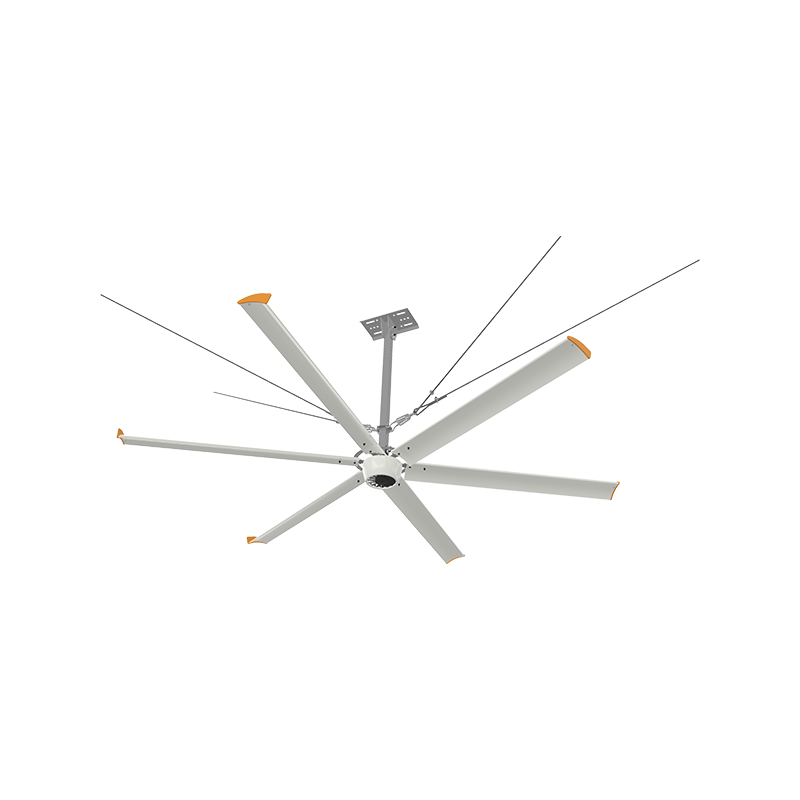
The 15-foot Even Airflow Industrial BLDC Ceiling Fan utilizes a high-efficiency BLDC motor and carefully designed blades. This ceiling fan operates with extremely low noise levels, making it suitable ...
The 7-foot HVLS ceiling fan for small workshops is a high-efficiency ventilation device designed specifically for industrial workshops, warehouses, and small production lines. It features high-qualit...
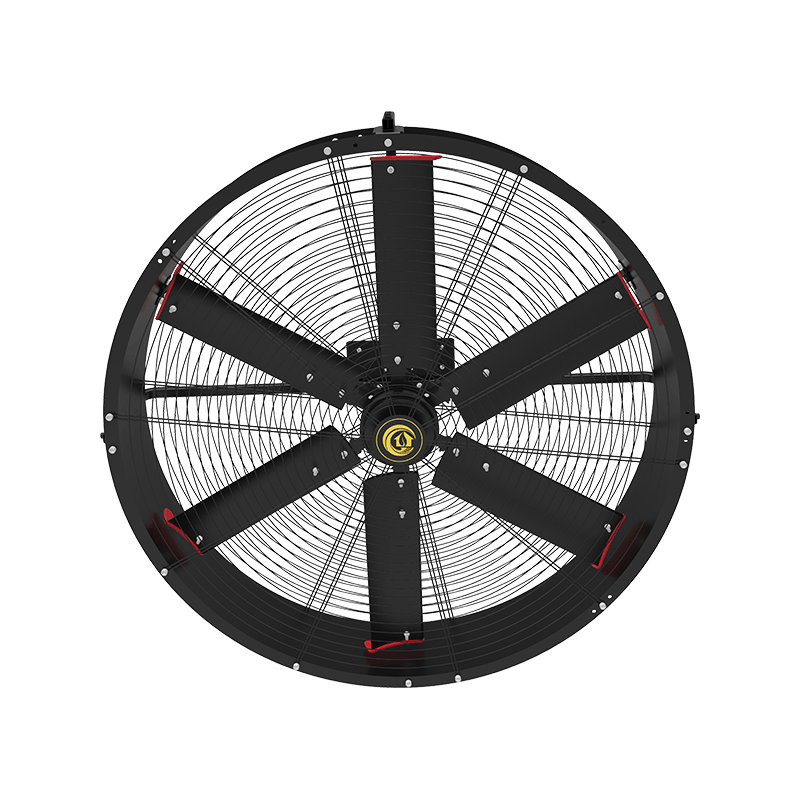
1. Extreme Airflow & Wide CoverageEquipped with massive 79-inch (2.0m) diameter aerospace-grade aluminum alloy blades. These precision-balanced blades generate a powerful, stable laminar airflow t...
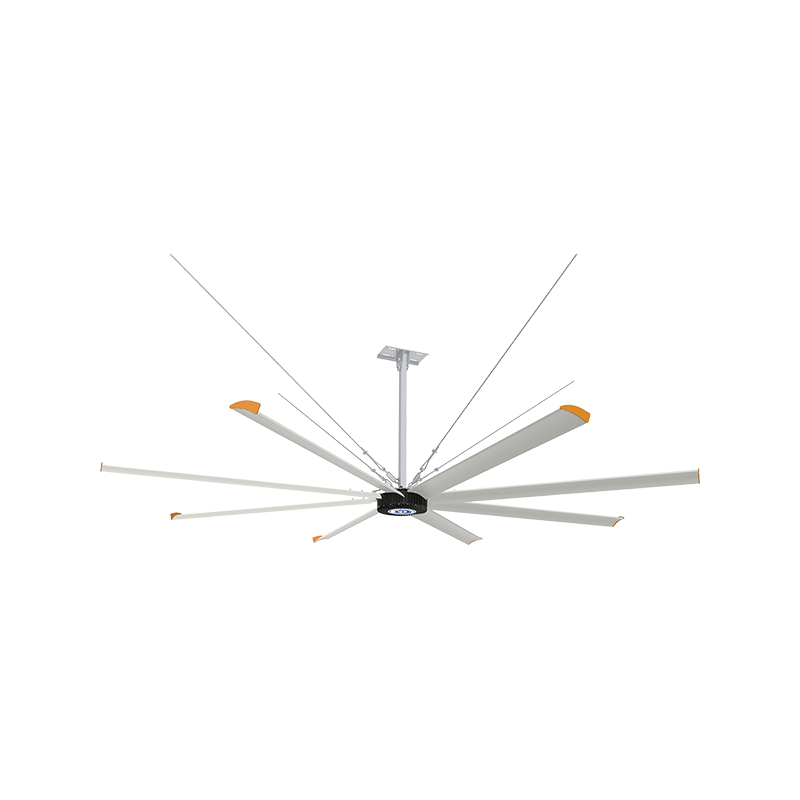
The 8-foot HVLS Large Industrial BLDC Ceiling Fan is equipped with a 0.3KW brushless DC motor, offering higher energy efficiency and lower noise levels. The lower power consumption design helps users ...
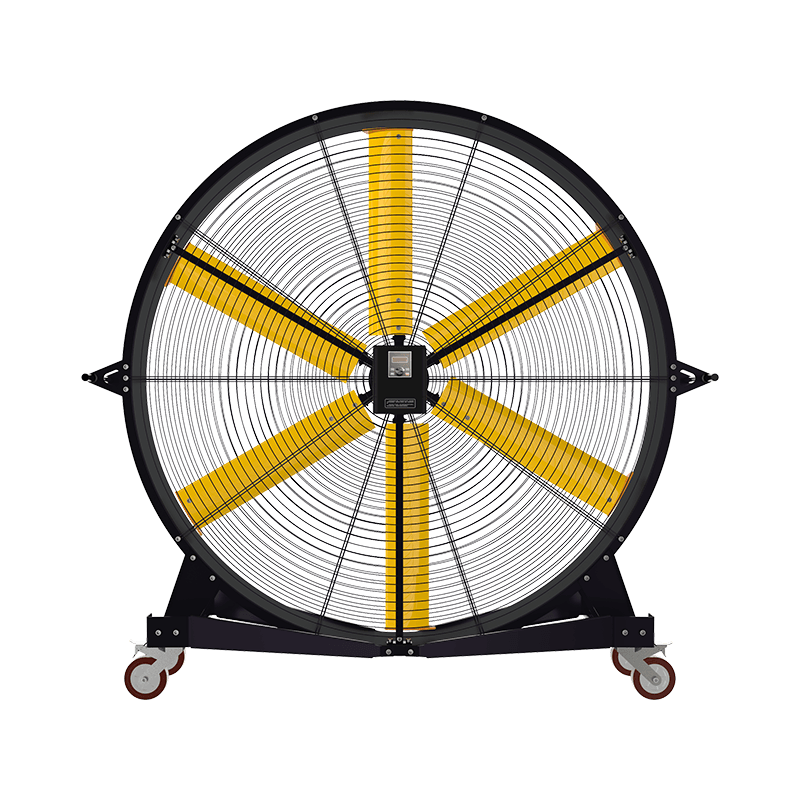
The 79-inch freestanding energy-efficient HVLS industrial fan features a robust construction designed to withstand the challenges of daily industrial use. Its impact-resistant frame ensures it can wit...
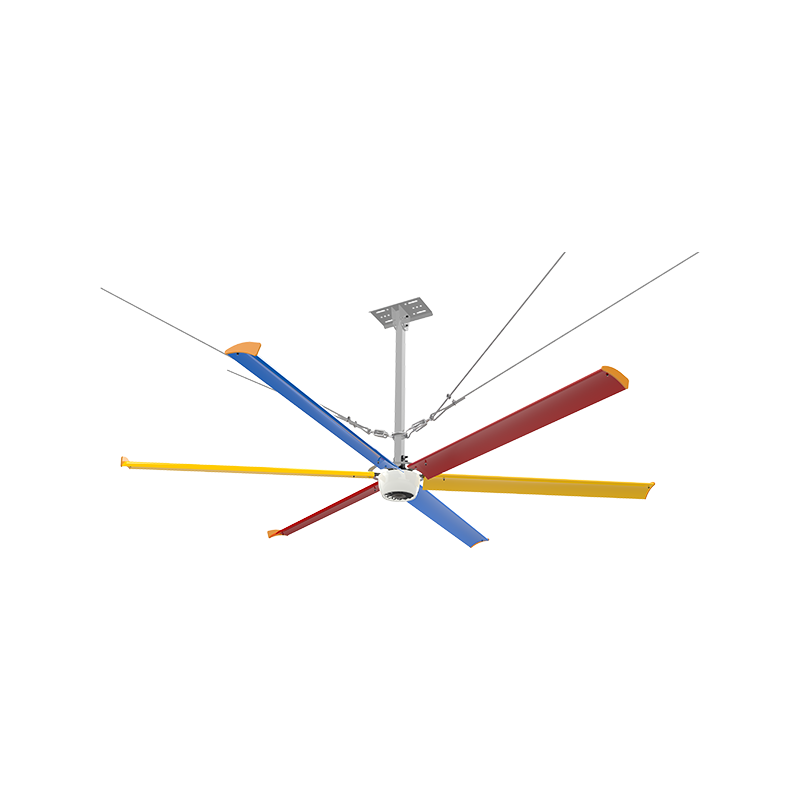
The 7-foot low-energy HVLS industrial brushless DC ceiling fan weighs 30kg. Despite using lightweight materials in its design, it ensures stability and long-term reliable operation. Installation and ...
Shanghai Aipu Fans Co., Ltd., established in Shanghai in 2006, focuses on manufacturing industrial-grade high-quality ceiling fans, relying on industry-leading motor technology and advanced manufactu...
READ MOREAt a distribution center in a hot climate, the worst heat gathers near the loading dock. The bay doors stay open through most of the shift, so any air that moves toward the dock gets pulled outside b...
READ MOREBig Fans, Low Speed, Real Results: HVLS Industrial Fans Explained When a factory floor hits 34°C, small fans only move hot air around. Large-diameter HVLS ceiling fans do the opposite: they push a t...
READ MOREAs an integrated manufacturing and trading company with core technology advantages, Shanghai Aipu Fans Co., Ltd. specializes in providing customized industrial ceiling fans and OEM services to meet d...
READ MORE Custom Large Industrial Fans Manufacturers