

 English
 Español
 عربى

The 8-foot HVLS Large Industrial BLDC Ceiling Fan is equipped with a 0.3KW brushless DC motor, offering higher energy efficiency and lower noise levels. The lower power consumption design helps users ...
Content
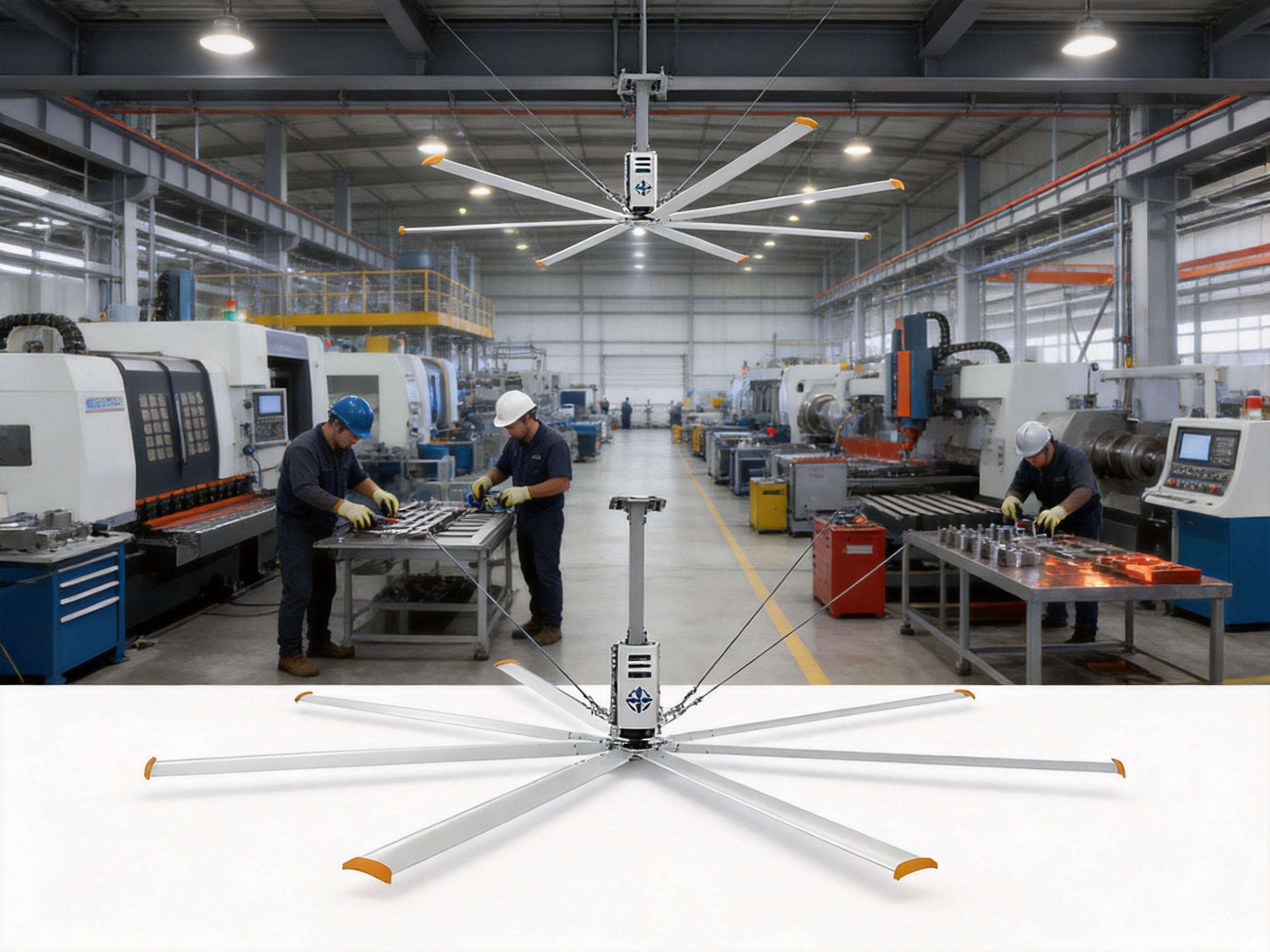
Large indoor facilities need more than ordinary air circulation. Warehouses, manufacturing plants, agricultural buildings, gyms, exhibition halls, and commercial spaces often have high ceilings, wide floor areas, heat-generating equipment, and changing occupancy levels. In these environments, small high-speed fans may create localized drafts without delivering balanced airflow across the entire room. Air-conditioning alone can also become expensive when the building volume is large and doors are frequently opened.
An 8-foot industrial-grade large HVLS ceiling fan provides a practical solution for these conditions. With a fan diameter of approximately 2.5 meters, the unit moves a broad column of air at a controlled rotational speed. Instead of producing a narrow, turbulent stream, its large blades distribute air across a wide area and help create a more uniform indoor environment. The specified product is designed for coverage of up to 135 square meters, making it suitable for many industrial and commercial spaces.
The fan combines a large-diameter aluminum alloy blade system, a high-efficiency 0.75 kW Nord motor, adjustable speed control, and an industrial construction approach intended for long-term service. Its low-speed operation supports quiet airflow, while its wide coverage can reduce the need for multiple smaller fans. This article examines the product’s design, performance, applications, manufacturing strengths, customization options, and advantages over conventional air-movement equipment.
HVLS means “high volume, low speed.” An HVLS ceiling fan uses a large blade span to move a substantial quantity of air while rotating more slowly than a conventional high-speed fan. The large blades influence a wide volume of air with each rotation. As a result, the fan can create a broad and gentle airflow pattern rather than a concentrated blast.
The 8-foot size refers to a fan diameter of approximately 8 feet, or 2.5 meters. This diameter provides an effective balance between coverage and installation flexibility. It is large enough to support air movement in a substantial room but compact enough for facilities where a larger 16-foot, 20-foot, or 24-foot HVLS unit would be excessive.
The product is identified as an industrial-grade large HVLS ceiling fan and is intended for fixed overhead installation. Its principal function is to improve air circulation, reduce stagnant zones, moderate perceived temperature, and support more comfortable working conditions. In appropriate buildings, it may also assist ventilation strategies by helping distribute conditioned air or by promoting the movement of warm air that collects near the ceiling.
Unlike a portable pedestal fan, the ceiling-mounted design does not occupy floor space or interfere with walkways, storage positions, production lines, or vehicle movement. Unlike a small wall-mounted fan, it is positioned to influence the room as a whole rather than only one side of the building.
The following specifications describe the featured 8-foot model. Some additional figures supplied for the wider product family represent other available sizes and configurations. Buyers should confirm the final motor, voltage, blade, and performance configuration before ordering.
| Item | Featured Specification |
|---|---|
| Product type | Industrial HVLS ceiling fan |
| Fan diameter | 2.5 meters / approximately 8 feet |
| Rated motor power | 0.75 kW |
| Motor brand | Nord |
| Blade material | Aluminum alloy |
| Number of blades | 6 pieces |
| Maximum or adjustable speed range | 0–118 RPM, depending on control configuration |
| Airflow coverage | Up to 135 square meters |
| Available voltage references | 220 V, 380 V, and 415 V; other input configurations should be confirmed |
| Frequency | 50 Hz or 60 Hz |
| Approximate product weight | 72 kg |
| Warranty | 3 years |
| Packaging | Wooden cases |
| Customization | OEM and ODM support |
The supplied product information also includes a broader HVLS family table with models ranging from approximately 4.2 meters to 8.6 meters in diameter. Those models include different motor power levels, blade quantities, maximum speeds, and air-volume ratings. The wider range allows a project designer to select a fan according to building size, ceiling height, structural conditions, and airflow requirements.
The central advantage of the featured fan is its ability to move air across a wide area. A 2.5-meter blade span allows each rotation to influence a substantial volume of room air. The resulting airflow is distributed over a larger footprint than the airflow produced by a compact fan with a narrow blade span.
Coverage of up to 135 square meters can be valuable in open-plan facilities. A single fan may serve a defined work zone, storage area, gym floor, retail space, or production section, depending on ceiling height and the building’s layout. The final coverage depends on installation height, obstructions, air temperature, room geometry, humidity, and the desired air-movement level. For large or divided facilities, multiple units may be arranged according to a professional airflow plan.
Broad airflow can help address several common building problems. Warm air may accumulate near the ceiling, while occupied areas remain uncomfortable. Certain corners may experience stagnant air because of racks, machinery, partitions, or structural columns. A properly installed HVLS fan helps blend these different air zones and makes the overall room environment more consistent.
In facilities that use heating, cooling, or evaporative systems, improved air circulation can also help distribute conditioned air more evenly. The fan does not replace a heating, ventilation, or air-conditioning system when those systems are required, but it can complement them by reducing temperature stratification and improving the movement of treated air.
Conventional industrial fans often rely on high rotational speed to create a strong local air current. This approach may be useful for a person standing directly in front of the fan, but it can produce uncomfortable drafts, excessive noise, and uneven airflow elsewhere in the room. The featured HVLS fan uses a different operating principle.
Its large blades rotate at low speed while moving a high volume of air. This creates a broader and less aggressive airflow pattern. Employees, customers, athletes, livestock, and visitors can experience air movement without being exposed to the concentrated blast associated with a small high-speed fan.
Low-speed operation may also support a quieter working environment. Noise levels depend on the installation, motor setting, structural mounting, room acoustics, and surrounding equipment. Nevertheless, the low-speed HVLS format generally reduces the need for rapid blade rotation, which can help minimize aerodynamic noise and mechanical disturbance.
Quiet operation is especially valuable in retail stores, exhibition halls, offices connected to industrial areas, gyms, educational spaces, and facilities where communication is important. In manufacturing plants and workshops, a quieter fan can make it easier for workers to communicate and can reduce the total background noise produced by ventilation equipment.
The featured model uses a 0.75 kW Nord motor. The motor is selected to balance airflow performance and energy consumption. A high-efficiency motor can convert electrical input into mechanical motion more effectively than an inefficient drive system, helping the fan deliver useful airflow without unnecessary power loss.
Energy performance should be evaluated in relation to the complete ventilation strategy rather than by motor power alone. The cost advantage of an HVLS fan can come from several factors: broad coverage, low operating speed, reduced need for multiple small fans, improved distribution of conditioned air, and the ability to operate only when airflow is needed.
For a business, these factors may contribute to lower operating costs over the service life of the equipment. In a warehouse, for example, one large fan may perform the air-movement work of several smaller fans while leaving floor space available for inventory and material handling. In a commercial facility, more even air distribution may help reduce hot and cold spots and improve the perceived effectiveness of the existing HVAC system.
Actual energy savings depend on operating schedules, electricity prices, climate, building insulation, ceiling height, fan quantity, control settings, and the performance of other equipment. A project assessment should therefore compare expected annual operating hours and total installed capacity rather than relying only on nominal motor power.
The specified fan uses six blades made from aluminum alloy. Aluminum alloy is well suited to large ceiling fans because it combines relatively low weight with useful strength and corrosion resistance. Lower blade weight can reduce the mechanical load placed on the drive system and supporting structure, while the material remains suitable for demanding industrial environments when properly finished and maintained.
The six-blade configuration helps create a balanced rotating assembly. Blade shape, pitch, length, weight distribution, and connection accuracy all influence airflow and vibration. For this reason, a large ceiling fan should not be judged only by blade count. The complete blade and hub system must be engineered and assembled as a coordinated unit.
Aluminum alloy blades can also support long service life in applications where the fan is exposed to changing humidity, dust, or moderate corrosive conditions. The specific environmental suitability depends on the alloy, surface treatment, facility atmosphere, cleaning practices, and maintenance program. In highly corrosive locations, buyers should request the appropriate finish and protection level before production.
The six-blade arrangement is suited to the featured 8-foot design, while the broader product family may use five, six, or eight blades depending on the model. This allows the manufacturer to adjust the aerodynamic configuration for different diameters, motor powers, and project requirements.
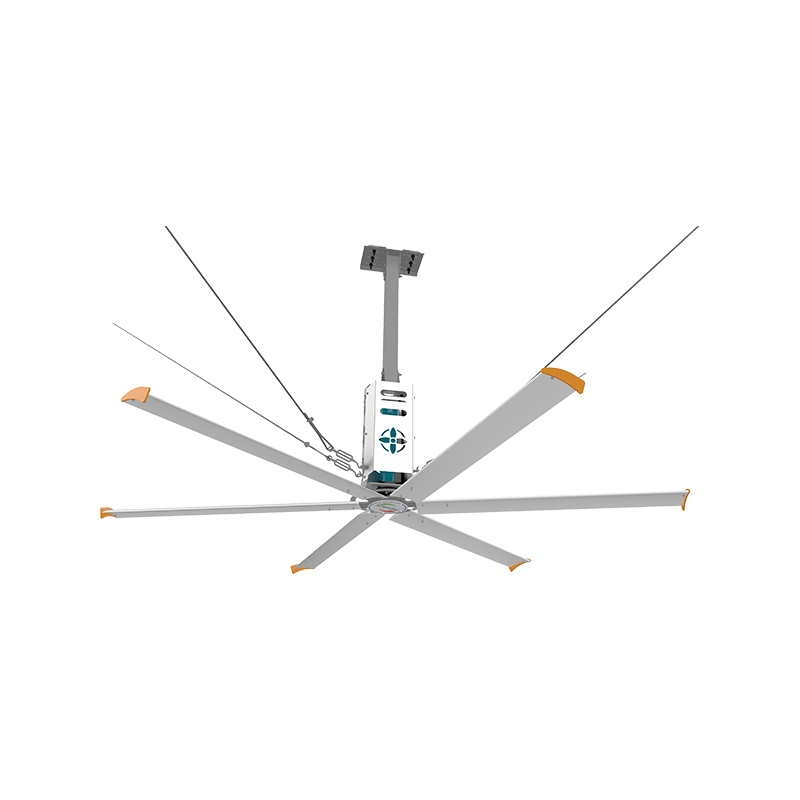
8-foot industrial-grade large HVLS ceiling fan
Pedestal fans are useful for localized cooling and temporary ventilation, but they occupy valuable floor area. Their airflow normally reaches only a limited zone, and several units may be needed to influence a large room. Cables, stands, and protective guards can also create obstacles in production areas, warehouses, and public spaces.
The 8-foot HVLS fan is installed overhead and therefore keeps floor space clear. Its larger diameter allows it to influence a wider area with one unit. This can reduce equipment clutter and simplify the movement of people, forklifts, carts, sports equipment, or merchandise.
Wall-mounted fans direct airflow horizontally from the perimeter of a room. Their effectiveness may be reduced by shelving, machinery, partitions, and other obstructions. They can also create stronger airflow near the wall while leaving distant areas less affected.
A ceiling-mounted HVLS fan distributes air from a central overhead position. It is better suited to open floor plans where consistent air movement is required across the room. Multiple units can also be positioned in a planned grid to cover larger buildings.
High-speed fans can produce intense airflow but often deliver it over a narrow area. Workers close to the fan may experience an uncomfortable draft, while people farther away may receive little benefit. High-speed operation can also increase noise and power demand.
The HVLS approach emphasizes volume and distribution rather than concentrated velocity. Its broad airflow can feel more natural and can help reduce stagnant zones without creating an excessively forceful stream in one location.
Several small ceiling fans may provide coverage, but they require more mounting points, more electrical connections, more maintenance locations, and more individual controls. Their airflow patterns can overlap unevenly, particularly when room geometry is irregular.
A large HVLS unit can simplify the system by combining broad coverage into one coordinated device. In larger facilities, a planned group of HVLS fans can still provide a more organized solution than a random collection of small fans.
Air-conditioning is essential for precise temperature control in many environments, but it can be costly to operate in large-volume buildings. Doors, loading bays, and frequent personnel movement may allow conditioned air to escape. High ceilings can also cause temperature stratification.
An HVLS fan can complement air-conditioning by mixing air and helping treated air reach occupied areas. It does not independently provide refrigeration or dehumidification, so it should be viewed as an air-movement solution that can support, rather than automatically replace, HVAC equipment.
Warehouses often contain high ceilings, long aisles, large doors, and extensive storage racks. These characteristics can produce temperature differences between floor level and the upper part of the building. An HVLS fan can promote air mixing and improve comfort in picking, packing, receiving, and dispatch areas.
The overhead installation leaves floor space available for pallets, shelving, conveyors, forklifts, and pedestrian routes. Air movement can also help reduce stagnant areas around workstations, provided the fan layout accounts for rack height and aisle orientation.
Manufacturing processes may generate heat through machinery, welding, molding, pressing, machining, or other operations. Workers may spend long periods near equipment that raises local temperatures. Broad air circulation can improve comfort and help distribute air across production zones.
Each plant requires an application review. Airflow must not disturb sensitive dust-control processes, lightweight materials, precision operations, or exhaust capture systems. The HVLS fan should be integrated with existing ventilation and safety requirements rather than installed without considering process conditions.
Livestock facilities require appropriate airflow to manage heat, humidity, and air quality. A large, low-speed fan can help move air through an occupied barn and reduce stagnant zones. The 8-foot size may be suitable for specific sections of agricultural buildings where a larger model would not fit.
Environmental conditions in agricultural buildings can be demanding because of moisture, dust, and corrosive substances. Buyers should confirm the required surface treatment, electrical protection, cleaning method, and maintenance schedule. Fan positioning should also be coordinated with natural ventilation openings and exhaust equipment.
Physical activity produces heat and increases the need for air movement. In gyms and indoor sports arenas, an HVLS fan can improve comfort across the playing surface without occupying floor space. Its low-speed design can provide a steady circulation effect while avoiding the obstruction created by portable fans.
Installation height, ball impact risk, lighting equipment, acoustic conditions, and emergency access must be considered. The final fan location should be selected to prevent interference with sports activities and to maintain safe clearance from roof structures and suspended equipment.
Retail stores benefit from a comfortable environment that encourages customers to remain in the facility. A ceiling-mounted large fan can support air circulation in high-ceiling stores, wholesale outlets, garden centers, and open commercial spaces.
Because the fan is mounted overhead, merchandise displays and customer pathways remain unobstructed. The visual design, operating noise, and control method should be selected according to the store’s appearance and customer experience requirements.
Exhibition halls often have large volumes, temporary displays, high visitor density, and changing heat loads. HVLS fans can help circulate air between events and support comfort when the building is occupied.
Fan selection should account for suspended lighting, banners, display structures, ceiling trusses, and the possibility of frequent layout changes. A professional installation plan can help preserve clearances and maintain an even airflow pattern around exhibition areas.
Repair shops commonly include large doors, vehicle bays, equipment, and heat-producing work. The overhead fan format keeps the floor clear for vehicles and technicians. Broad airflow can improve comfort during warm weather and help prevent stagnant air in service areas.
Because automotive facilities may contain fumes, dust, and flammable materials, the fan must be used as part of a suitable ventilation system. It should not be considered a substitute for source-capture exhaust or legally required air-quality controls.
Food processing spaces may require controlled temperature and humidity conditions. Air circulation can assist with uniformity, but fan selection must match sanitation, washdown, corrosion, and hygiene requirements.
Before installation, the buyer should confirm whether the standard configuration is appropriate for the cleaning regime and environmental exposure. Special materials, coatings, guards, or installation procedures may be necessary for some processing areas.
The product information specifies a speed range of 0–118 RPM for the featured configuration. Adjustable operation allows users to match airflow to occupancy, season, production activity, and comfort requirements. The fan may run at a lower setting when the room is lightly occupied and at a higher setting during hot conditions or periods of increased activity.
Variable control can also support energy management. Rather than operating at full speed continuously, the fan can be controlled according to a scheduled program or building-management strategy. Some facilities may use temperature sensors, occupancy schedules, or manual controls to determine when and how strongly the fan operates.
The control system should be selected according to the supply voltage, motor type, site standards, and required automation. Buyers should confirm whether the project requires local control, remote control, centralized control, emergency stop integration, or communication with a building-management system.
Safe operation requires correct installation, secure mounting, appropriate electrical protection, and regular inspection. The rotating assembly must be kept clear of obstructions, and operators should not attempt to access the blades while the fan is energized.
The manufacturer has operated in Shanghai since 2006 and specializes in industrial-grade ceiling fans and ventilation solutions. Its production base covers approximately 8,000 square meters and includes automated machinery, a machining center, a cutting center, a welding center, and a testing center.
These facilities support a more controlled manufacturing process than a basic assembly operation. Large ceiling fans require dimensional accuracy, balanced rotating parts, reliable motor integration, strong structural connections, and consistent quality across repeated production. Each manufacturing stage contributes to the safety and performance of the finished product.
Automated machinery can improve repeatability in cutting, forming, drilling, and component preparation. Consistent dimensions are important because variations in blade geometry or hub connections can affect balance and airflow. Automation can also help reduce process variation and improve production efficiency for standard and customized orders.
A machining center supports the accurate production of hubs, brackets, connection components, and other parts requiring controlled dimensions. Precision-machined parts can improve the fit between components and contribute to reliable assembly. This is particularly important in a rotating product where imbalance may lead to vibration, noise, or accelerated wear.
The cutting center helps prepare metal components and blade-related parts according to defined drawings and specifications. Accurate cutting supports consistent blade dimensions and helps reduce material waste. It also enables the manufacturer to produce different sizes and configurations for varied project requirements.
Welding quality is essential for structural components, brackets, supports, and frames. A dedicated welding center can provide organized procedures and more consistent production conditions. Welded parts should be inspected for appearance, penetration, alignment, and structural integrity according to the applicable production requirements.
The testing center supports evaluation before shipment. Testing may include operational checks, rotation checks, electrical verification, vibration observation, and other inspections appropriate to the configuration. The exact inspection protocol should be confirmed for each order, especially when the fan is customized for a particular voltage, control system, or environment.
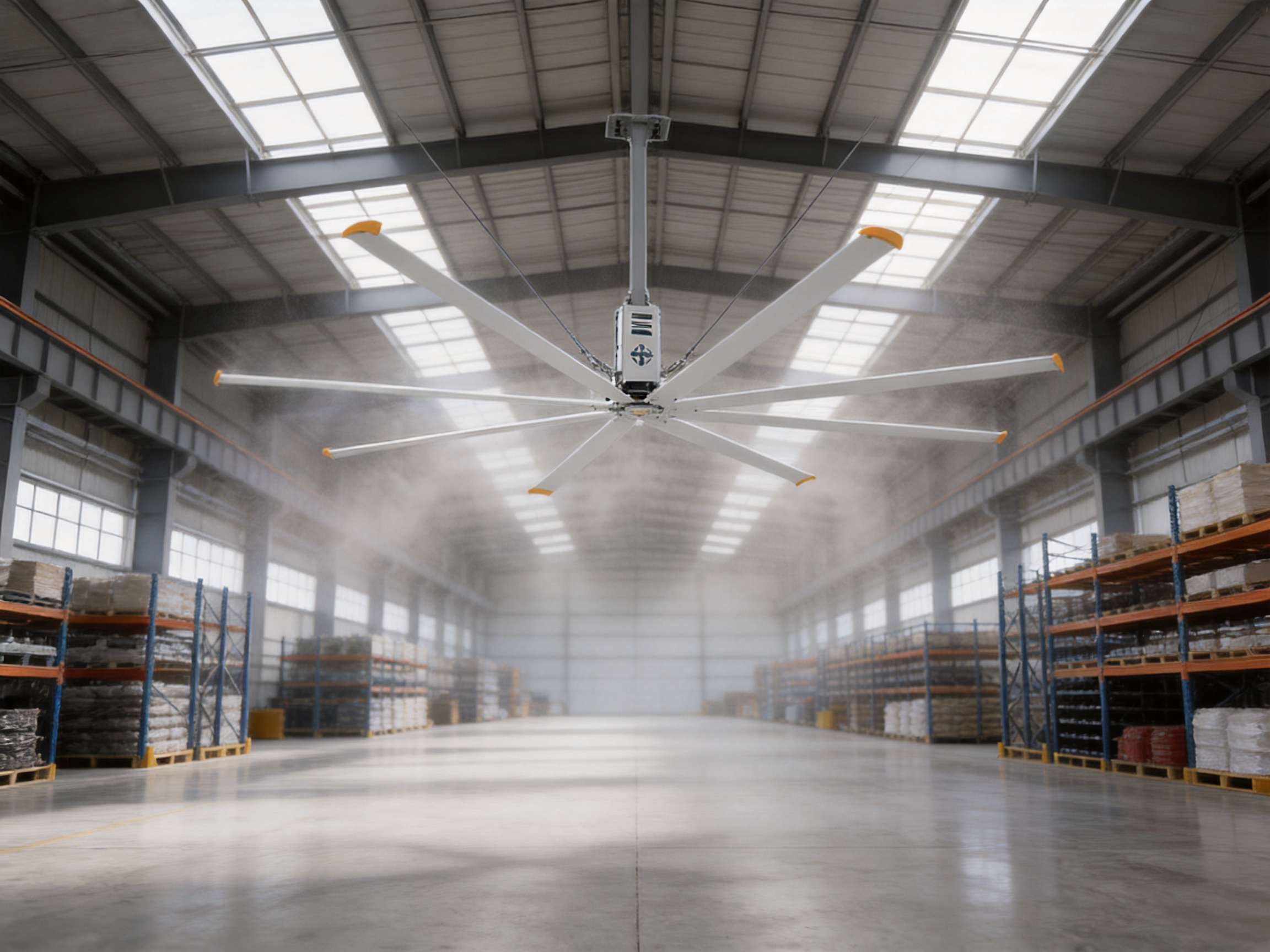
OEM and ODM services are available for customers requiring more than a standard catalog configuration. Customization can help align the fan with local electrical systems, building conditions, branding requirements, and application-specific performance targets.
Potential customization areas may include voltage, frequency, control method, blade finish, mounting arrangement, packaging, documentation, and product labeling. The product information references 220 V, 380 V, and 415 V options, while the wider series information also references 200–240 V and 380–480 V input ranges. The correct input must be confirmed against the selected motor and control system before production.
Project-specific engineering should also consider ceiling height, roof structure, available mounting points, clearance from lighting and sprinklers, ambient temperature, dust, humidity, corrosion, and the number of fans required. Providing drawings, photographs, building dimensions, and operating conditions can help the supplier recommend a more appropriate configuration.
OEM and ODM support may be particularly useful for distributors, engineering contractors, industrial equipment integrators, and facility developers. A customized supply program can help maintain consistent specifications across multiple sites while adapting the product to local installation standards.
A large ceiling fan must be installed on a structure capable of supporting its static weight and dynamic operating forces. The featured unit weighs approximately 72 kilograms, but the supporting system must also account for mounting hardware, safety components, vibration, and the requirements of the building structure.
Before installation, the site team should verify the roof or beam condition, mounting position, ceiling height, clearance from obstacles, electrical supply, and access for maintenance. The blades should have sufficient clearance from roof elements, lighting fixtures, sprinkler heads, signs, cranes, and other suspended equipment.
Airflow planning is equally important. One fan may be appropriate for a defined area, while a large warehouse or factory may require several fans arranged to avoid dead zones and excessive airflow overlap. Fan placement should consider storage racks, production lines, doors, exhaust fans, natural ventilation openings, and HVAC outlets.
Installation should be performed by qualified personnel following the supplied technical documentation and local regulations. Electrical connections must be protected according to the rated voltage and site code. After installation, the fan should be tested for rotation direction, vibration, control response, unusual noise, and secure fastening.
The manufacturer can supply the fan in wooden cases for transport protection. Customers should inspect the packaging upon arrival and check the product for visible damage before installation. Components should be stored in a dry and protected area if installation is delayed.
Regular maintenance helps preserve performance and safety. Inspection intervals depend on the operating environment, but a typical program may include checking mounting hardware, blade connections, electrical terminals, control components, and visible signs of corrosion or damage.
Dust accumulation should be removed using a method appropriate to the blade material and facility hygiene requirements. In agricultural, manufacturing, and food-related environments, cleaning schedules may need to be more frequent. The fan must be isolated from the power supply before any maintenance work begins.
Operators should watch for changes in vibration, noise, speed control, or airflow. A sudden change may indicate a loose fastener, damaged blade, electrical problem, bearing issue, or another condition requiring inspection. Continuing to operate a visibly damaged or unusually vibrating fan can create unnecessary safety risks.
The stated warranty is three years. Warranty coverage normally depends on the agreed commercial terms, correct installation, appropriate operation, and compliance with maintenance instructions. Buyers should request the formal warranty document and clarify the coverage of the motor, controller, blades, structural parts, and service support.
The 8-foot model is a practical choice when a project needs broad airflow but does not require the scale of a very large industrial fan. Selection should begin with the room’s dimensions and intended use. The designer should then evaluate ceiling height, occupancy, heat sources, ventilation requirements, and the desired airflow pattern.
The product family includes larger models such as approximately 14-foot, 16-foot, 18-foot, 20-foot, 24-foot, 26-foot, and 28-foot diameters. These alternatives have different motor powers, maximum speeds, blade options, and reported air-volume ratings. A larger model may be more suitable for a very high ceiling or expansive open floor area, while the 8-foot model may be easier to install in a divided facility or a section with restricted clearance.
| Project condition | Potential selection consideration |
|---|---|
| Moderate-sized open area | An 8-foot HVLS fan may provide a suitable balance of coverage and installation flexibility. |
| Very large warehouse | Consider multiple 8-foot units or a larger model after airflow planning. |
| Low or obstructed ceiling | Verify safe clearance and consider a smaller diameter or alternative mounting solution. |
| High heat load | Evaluate fan quantity, operating schedule, HVAC integration, and exhaust requirements. |
| Humid or corrosive environment | Confirm blade finish, electrical protection, structural materials, and cleaning requirements. |
| Precision manufacturing area | Review whether airflow could affect dust, lightweight materials, or process stability. |
| Retail or exhibition space | Consider appearance, noise, control method, and integration with lighting and displays. |
The most reliable selection process combines product data with a site assessment. Air-volume figures, coverage claims, and motor ratings should be interpreted alongside actual building conditions. A supplier or qualified ventilation professional can help develop a layout that balances airflow, energy use, safety, and budget.
For distributors, the product offers a useful position within the industrial ventilation market. The 8-foot size fills the gap between portable fans and very large HVLS systems. It can serve factories, logistics buildings, retail facilities, sports venues, and agricultural applications with a common core design.
The availability of OEM and ODM services gives distributors more flexibility when developing private-label programs or adapting products for local regulations. Consistent packaging in wooden cases can also support international shipment of industrial equipment, subject to the buyer’s import and packaging requirements.
For industrial end users, the key benefits include floor-space preservation, wide airflow coverage, adjustable operation, low-speed comfort, and a durable metal construction. The three-year warranty and manufacturer’s experience provide additional factors for evaluating total ownership risk.
Industrial buyers should request complete technical documentation, installation instructions, electrical diagrams, test records where applicable, spare-parts information, and warranty terms. They should also confirm lead time, minimum order quantity, shipping dimensions, after-sales support, and the availability of replacement components.
HVLS means high volume, low speed. An HVLS fan uses a large diameter and broad blades to move a substantial quantity of air while rotating more slowly than a conventional high-speed fan.
The featured fan has a diameter of approximately 2.5 meters, or 8 feet. This size is designed to provide broad air circulation in industrial and commercial spaces.
The stated coverage area is up to 135 square meters. Actual performance depends on ceiling height, building layout, airflow obstructions, ambient conditions, installation position, and operating speed.
The featured configuration uses a 0.75 kW Nord motor. Motor power and electrical specifications should be confirmed on the final quotation and technical datasheet because the wider HVLS series includes different motor sizes.
The specified 8-foot model has six aluminum alloy blades. Other models in the broader product family may be available with five, six, or eight blades.
Yes. The supplied information indicates an adjustable range of 0–118 RPM for the featured configuration. The final operating range depends on the motor, controller, and project configuration.
Yes. Its overhead installation preserves floor space, while its broad airflow can help improve circulation in storage, packing, receiving, and dispatch areas. The installation plan should account for racks, doors, lighting, sprinklers, and ceiling structure.
The fan moves and distributes air but does not independently cool, heat, or dehumidify it. It can complement air-conditioning by reducing temperature stratification and helping distribute conditioned air more evenly.
OEM and ODM support is available. Possible customization areas include voltage, frequency, control system, finish, packaging, labeling, and project-specific mounting requirements. The exact options should be confirmed before ordering.
The product information references 220 V, 380 V, and 415 V, while the broader technical information references 200–240 V and 380–480 V input ranges. Buyers should confirm the exact voltage and frequency for the selected model and destination market.
Potential applications include warehouses, manufacturing plants, agricultural barns, gymnasiums, indoor sports arenas, retail spaces, exhibition halls, automotive repair shops, and food processing facilities. Special environments may require additional material or protection specifications.
Maintenance may include checking fasteners, blade connections, electrical components, controls, structural supports, and signs of corrosion or damage. Dust and contamination should be removed according to the facility’s cleaning requirements, and power must be isolated before service.
The product is supplied in wooden cases. The buyer should inspect the case and the fan for transport damage before installation and should store all components in a dry, protected location if installation is delayed.
The stated warranty is three years. Buyers should review the formal warranty terms to confirm coverage, exclusions, installation conditions, service procedures, and the treatment of motors, controllers, blades, and structural components.
An HVLS fan can provide broader and more uniform airflow from one overhead location. It can reduce floor clutter, simplify the number of mounting points and controls, and offer a quieter low-speed airflow pattern. The best choice depends on the building layout and required coverage.
The 8-foot industrial-grade large HVLS ceiling fan is designed for facilities that need broad, efficient, and comfortable air movement. Its approximately 2.5-meter diameter, six aluminum alloy blades, 0.75 kW motor, adjustable speed range, and stated coverage of up to 135 square meters make it suitable for many medium-sized industrial and commercial zones.
Its main advantages over conventional fans include overhead installation, reduced floor-space usage, wide airflow distribution, low-speed operation, lower noise potential, and the ability to support energy-conscious ventilation strategies. It can be used in warehouses, factories, gyms, agricultural buildings, retail spaces, exhibition venues, repair shops, and other large indoor environments.
The manufacturer strengthens the product offering through an established Shanghai production base, automated equipment, machining, cutting, welding, and testing capabilities, as well as OEM and ODM support. These resources are important for customers who require consistent quality, project customization, international shipment preparation, and technical assistance.
Successful performance depends on correct selection, professional installation, appropriate controls, and scheduled maintenance. When integrated with the building’s existing ventilation and HVAC systems, this HVLS fan can help create a more balanced indoor environment while supporting practical operating-cost goals.
1. Product specification materials supplied for the 8-foot industrial-grade large HVLS ceiling fan, including dimensions, motor data, airflow coverage, blade material, voltage, speed, warranty, and packaging information.
2. Product family information supplied for 7-foot to 11-foot and larger HVLS fan configurations, including diameter, blade quantity, motor power, maximum speed, and air-volume comparisons.
3. Manufacturer company information supplied for Shanghai-based industrial ceiling fan production, including manufacturing facilities, equipment, customization services, and company history.
4. General engineering principles for high-volume, low-speed air movement in industrial, commercial, agricultural, and recreational buildings.
5. General facility planning practices concerning ceiling clearance, structural support, electrical installation, airflow distribution, safety inspection, and equipment maintenance.
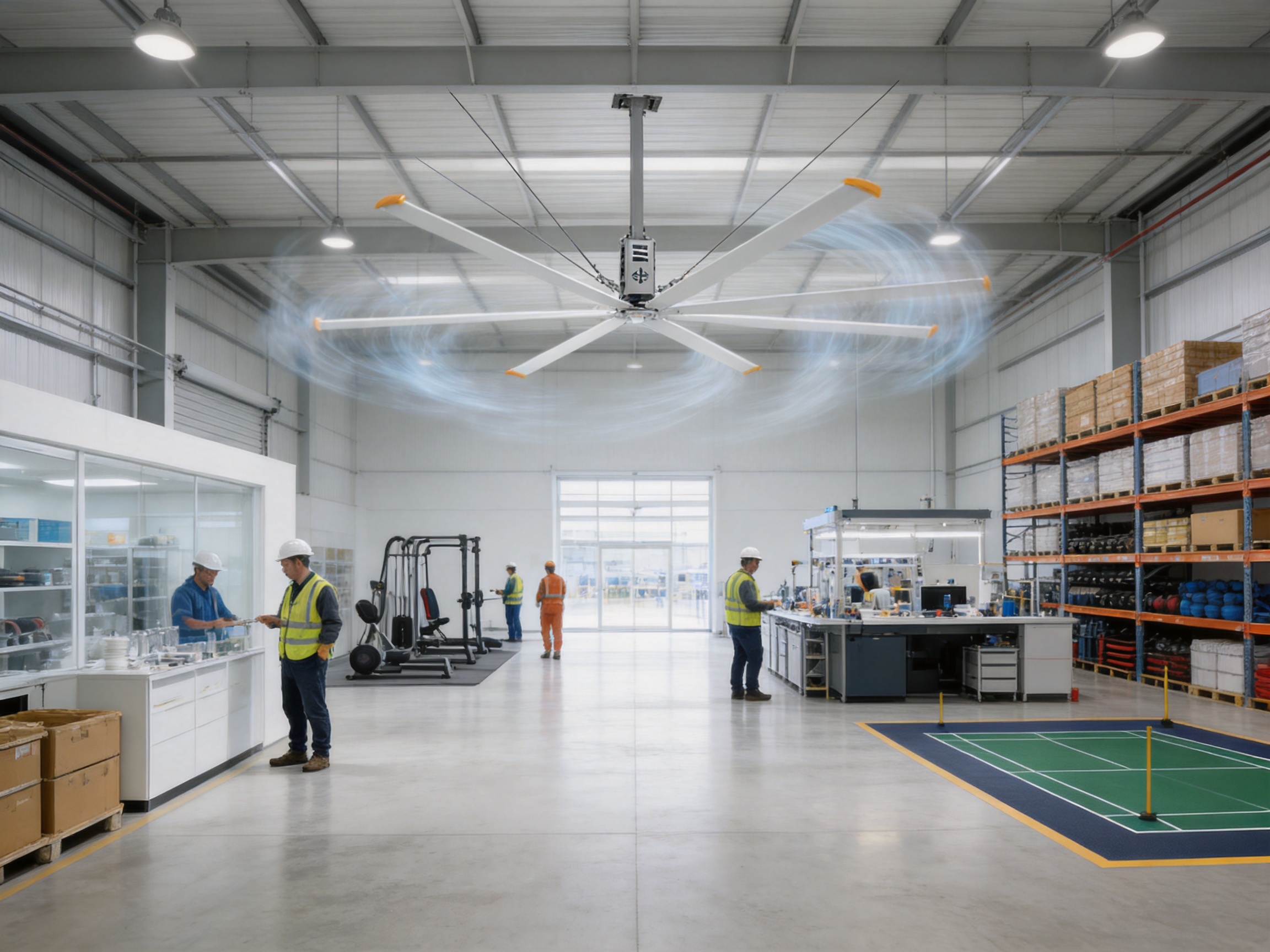
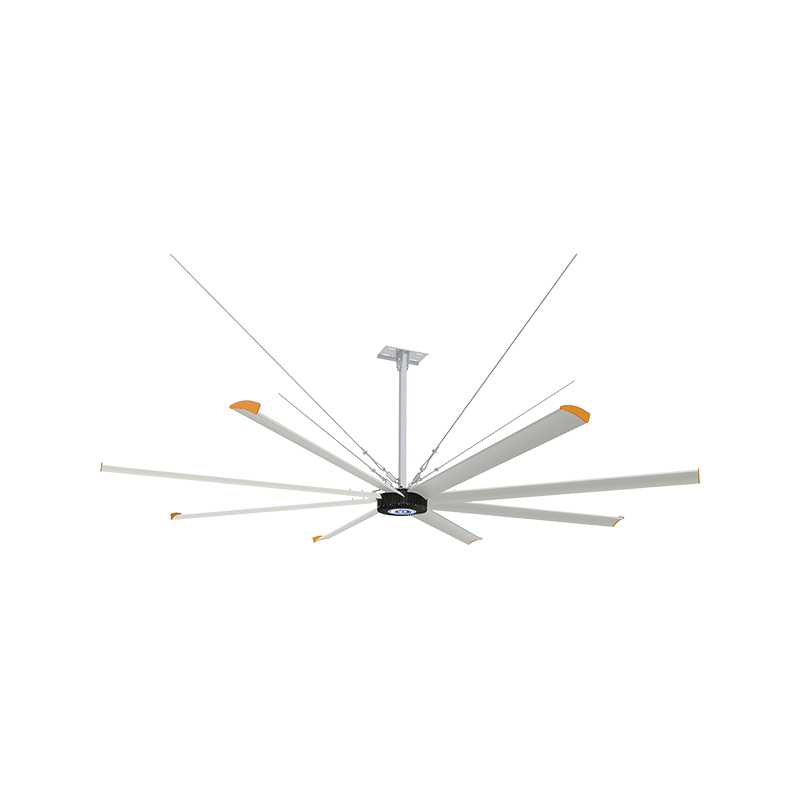
The 8-foot HVLS Large Industrial BLDC Ceiling Fan is equipped with a 0.3KW brushless DC motor, offering higher energy efficiency and lower noise levels. The lower power consumption design helps users ...
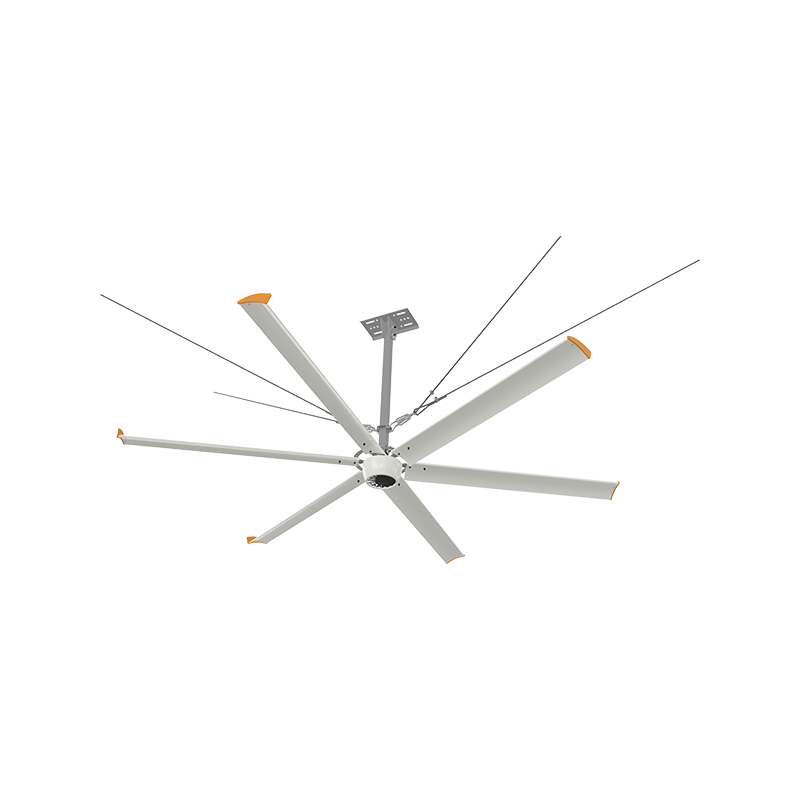
The 15-foot Even Airflow Industrial BLDC Ceiling Fan utilizes a high-efficiency BLDC motor and carefully designed blades. This ceiling fan operates with extremely low noise levels, making it suitable ...
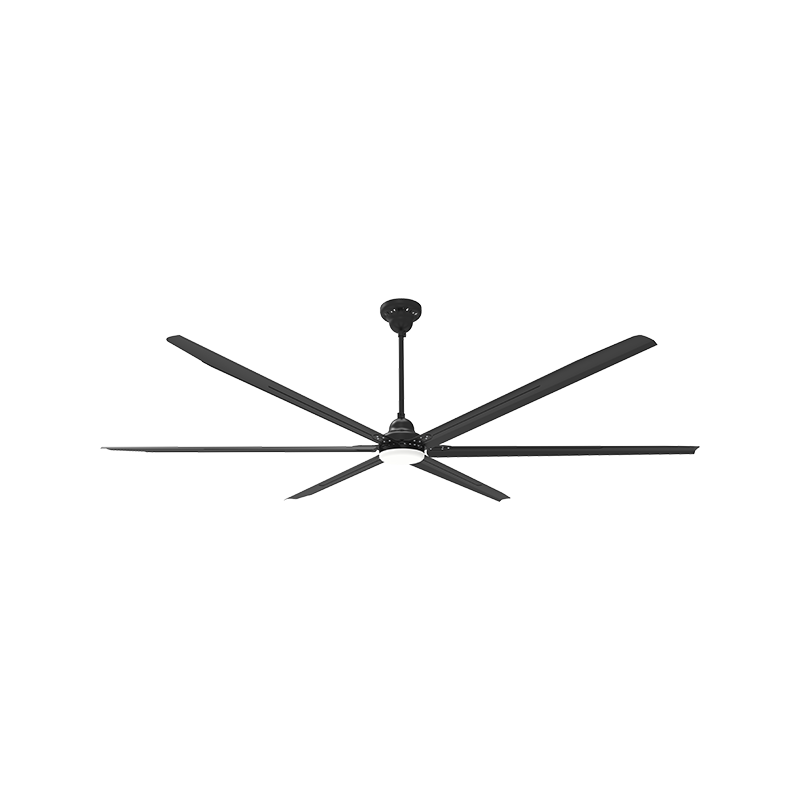
1. Core Technology: High Volume, Low SpeedNatural Breezes: Unlike the “harsh” wind from small fans, HVLS fans use massive blades rotating at low speeds to create a large-scale, three-dimensional breez...
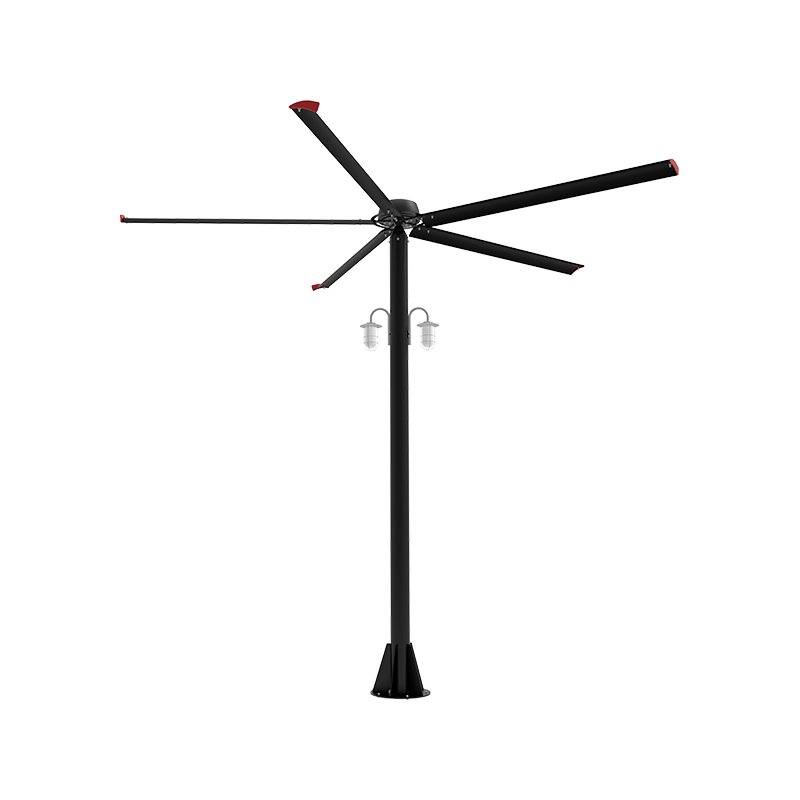
The large vertical HVLS floor-standing ventilation fan offers a variety of color options, allowing users to choose the most suitable color based on different environments and decoration needs. This c...
This 18-foot electric industrial HVLS (High Volume, Low Speed) large ceiling fan for warehouses emphasizes a combination of high airflow and low rotational speed. Through low-speed rotation, the fan ...
The 8-foot industrial-grade large HVLS ceiling fan features a large-diameter design with a blade span of 2.5 meters, allowing it to cover a large area at lower rotational speeds. It provides an airfl...
Shanghai Aipu Fans Co., Ltd., established in Shanghai in 2006, focuses on manufacturing industrial-grade high-quality ceiling fans, relying on industry-leading motor technology and advanced manufactu...
READ MORECommercial HVLS Fans: The Quiet Engineering Behind Large-Space Airflow A practical guide to selecting high-volume, low-speed ceiling fans for warehouses, factories, and commercial halls — with the ef...
READ MOREA 6,800 m² factory floor used to be ventilated by roughly 300 small wall and pedestal fans. Six large ceiling fans now cover the same area, and in the manufacturer's own comparison that change cuts m...
READ MOREBig Fans, Low Speed, Real Results: HVLS Industrial Fans Explained When a factory floor hits 34°C, small fans only move hot air around. Large-diameter HVLS ceiling fans do the opposite: they push a t...
READ MORE Custom Large Industrial Fans Manufacturers