

 English
 Español
 عربى

The 15-foot Even Airflow Industrial BLDC Ceiling Fan utilizes a high-efficiency BLDC motor and carefully designed blades. This ceiling fan operates with extremely low noise levels, making it suitable ...
Content
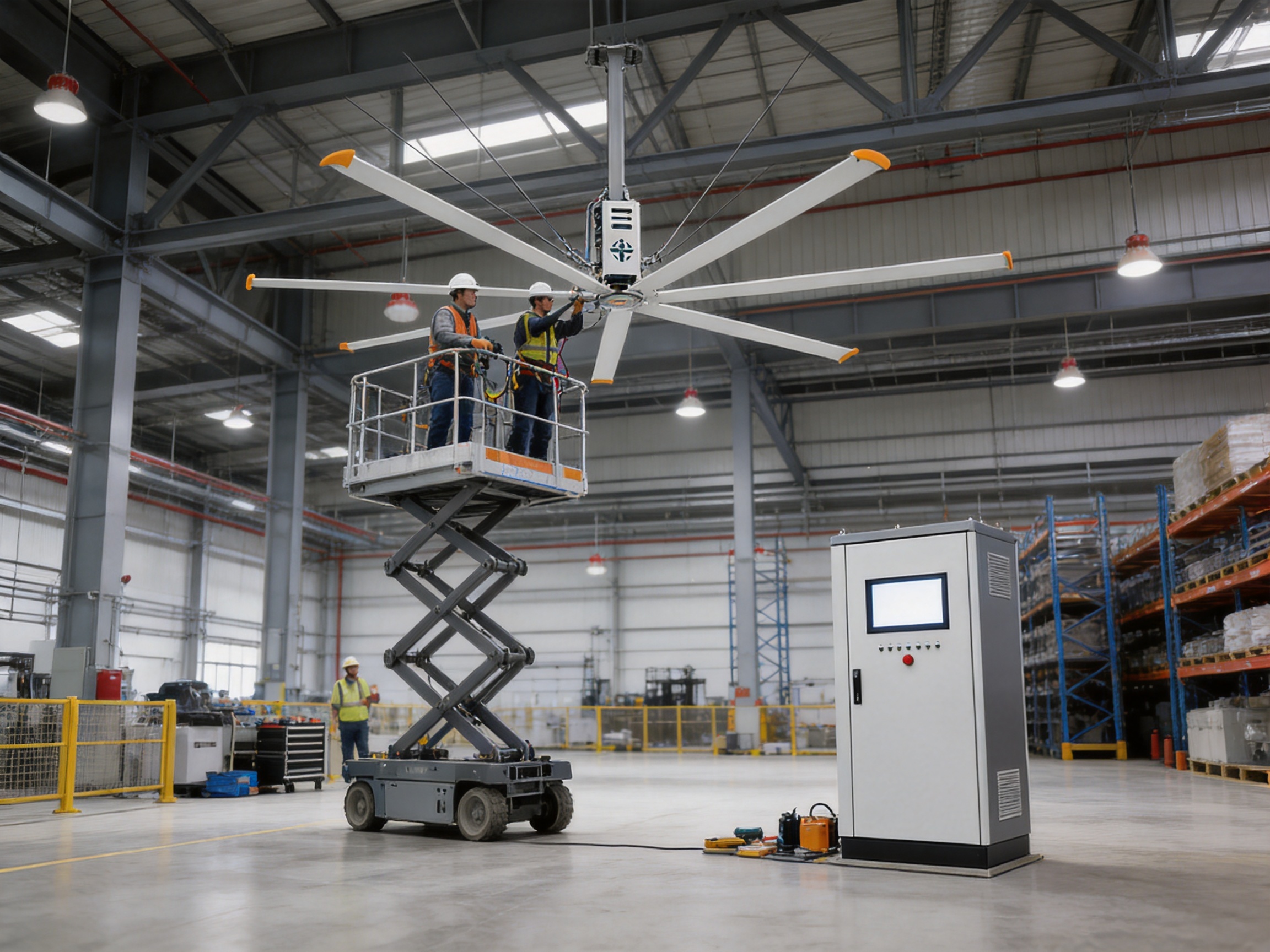
Large industrial buildings often face a difficult ventilation challenge. Warehouses, manufacturing plants, agricultural barns, exhibition halls, sports facilities, and automotive workshops may have substantial floor areas, high ceilings, heat-producing equipment, and changing occupancy levels. Conventional small fans can create localized air movement, but they often cannot distribute air evenly across a large space. Air-conditioning systems may provide temperature control, yet operating them continuously in a large facility can result in considerable energy consumption and uneven comfort.
The 12-foot 1.1 kW HVLS industrial workshop ceiling fan is designed to address these conditions through high-volume, low-speed air movement. With a fan diameter of 3.8 meters, six aluminum alloy blades, a speed range of 0 to 72 revolutions per minute, and a coverage area of approximately 380 square meters, the fan is engineered to circulate air over a broad floor area while maintaining smooth and gentle airflow.
Unlike compact high-speed fans that concentrate air in a narrow zone, this large-diameter ceiling fan moves air across a wide area. Its low-speed operating principle helps reduce harsh wind pressure and excessive noise while improving air distribution. The result is a more balanced indoor environment for workers, visitors, livestock, equipment, products, and stored materials.
This article explains the product design, operating principle, performance benefits, manufacturing strengths, installation considerations, applications, maintenance requirements, and purchasing factors associated with this industrial HVLS ceiling fan.
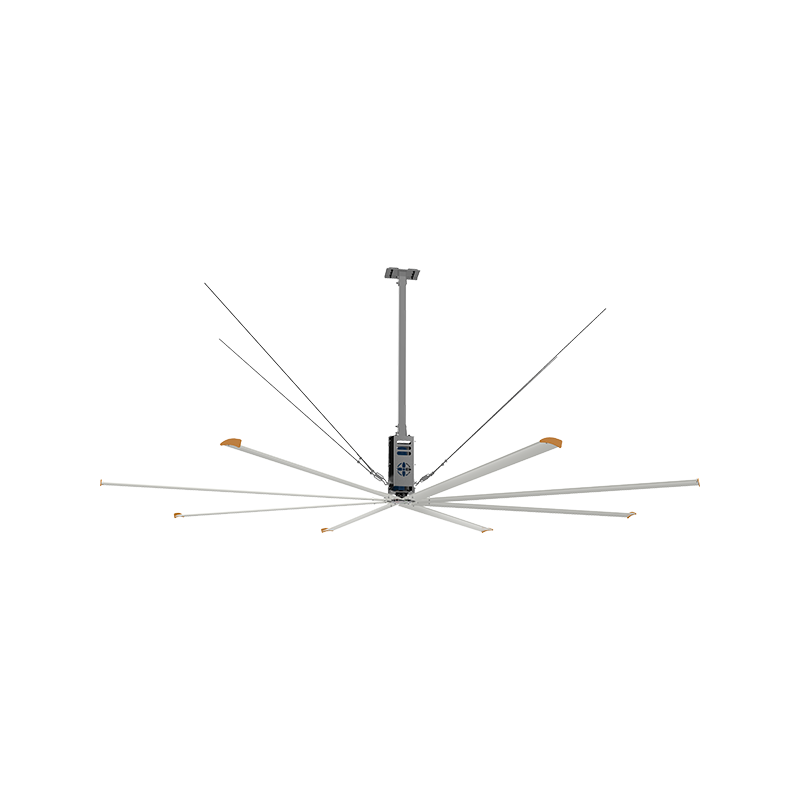
12-foot 1.1kW HVLS industrial workshop ceiling fan
HVLS stands for “high volume, low speed.” An HVLS fan uses a large-diameter rotor and broad blades to move a significant quantity of air at a comparatively low rotational speed. Instead of producing a narrow, forceful stream of air, it creates a large and gradual airflow pattern that reaches across extensive indoor spaces.
The 12-foot model is intended for facilities where air must be distributed over a large floor area. Its 3.8-meter blade diameter allows the fan to influence the air environment across approximately 380 square meters, although actual coverage depends on ceiling height, building layout, obstructions, ventilation conditions, temperature differences, and the number of fans installed.
During operation, the six aluminum alloy blades rotate slowly and push air downward. When this air reaches the floor, it spreads outward in multiple directions before rising again near walls and surrounding areas. This circulation pattern helps reduce stagnant zones and supports more consistent temperatures throughout the occupied space.
The low-speed design is particularly valuable in workplaces where strong drafts are undesirable. Employees can benefit from improved air movement without experiencing the uncomfortable blast commonly associated with smaller, high-speed fans. The same principle is useful in retail areas, sports facilities, livestock buildings, and production environments where a stable airflow pattern is preferable to concentrated wind.
The product combines a large air-moving diameter with a relatively compact power rating of 1.1 kW. This configuration is intended to deliver broad airflow coverage without relying on the very high rotational speeds used by conventional portable or wall-mounted fans.
| Specification | Product Detail |
|---|---|
| Product type | HVLS industrial workshop ceiling fan |
| Fan diameter | 3.8 meters / 12 feet |
| Motor power | 1.1 kW |
| Number of blades | 6 |
| Blade material | Aluminum alloy |
| Operating speed range | 0–72 RPM |
| Approximate coverage area | 380 square meters |
| Available voltage | 220 V, 380 V, or 415 V |
| Frequency | 50 Hz or 60 Hz |
| Motor brand | Nord |
| Product weight | Approximately 97 kg |
| Packaging | Wooden cases |
| Warranty | 3 years |
These specifications make the fan suitable for commercial and industrial facilities that require a dependable ceiling-mounted airflow solution. The available voltage and frequency configurations also support use in different markets and electrical environments, subject to confirmation during the ordering process.
The most important physical advantage of this fan is its 12-foot diameter. A larger rotor can move air over a wider area at a lower speed than a smaller fan. This is the central reason HVLS fans are widely used in warehouses, workshops, factories, gymnasiums, and other large buildings.
A conventional fan may provide strong airflow directly in front of its blades while leaving distant areas relatively still. Multiple small fans may be required to cover the same facility, and they can create overlapping drafts, visual clutter, additional wiring, and more maintenance points. A large HVLS fan offers a different approach by distributing air over a broad circular zone from a central ceiling position.
Wide coverage can support better thermal balance within a building. Warm air that accumulates near the roof can be gradually mixed with cooler air below. At the same time, air movement at occupant level can improve the perception of comfort, especially during warm working conditions. The fan does not replace every form of heating, cooling, or mechanical ventilation, but it can improve the effectiveness of existing systems by reducing temperature stratification and stagnant areas.
The stated coverage area of approximately 380 square meters provides a useful planning reference. However, facility managers should evaluate ceiling height, structural columns, racking, machinery, partitions, doors, skylights, and other physical features before determining the final number and position of fans. A professional layout assessment can help avoid airflow shadows and ensure that the fan operates within its intended environment.
The fan uses six aluminum alloy blades. Aluminum alloy is widely selected for large industrial fan blades because it combines low weight, corrosion resistance, and structural practicality. Keeping the rotating assembly reasonably light can reduce the mechanical load placed on the motor and support smooth operation.
For an industrial fan with a 3.8-meter diameter, blade balance is essential. Uneven blade weight or inaccurate alignment can result in vibration, noise, bearing stress, and reduced service life. Precision-oriented blade production and careful assembly help maintain stable rotation. The six-blade arrangement is designed to produce a consistent airflow pattern while supporting the large rotor diameter.
Aluminum alloy also offers useful durability in many industrial environments. It can be suitable for workshops, warehouses, agricultural buildings, and commercial facilities where the fan may encounter humidity, dust, or changing temperatures. The exact suitability of the finish should still be assessed against the specific atmosphere, particularly where corrosive chemicals, salt spray, or aggressive cleaning agents are present.
The blade profile is designed to move a large volume of air at low rotational speed rather than to create a narrow, high-velocity jet. This supports the fundamental HVLS objective: broad and comfortable circulation with reduced turbulence and less disruptive wind pressure.
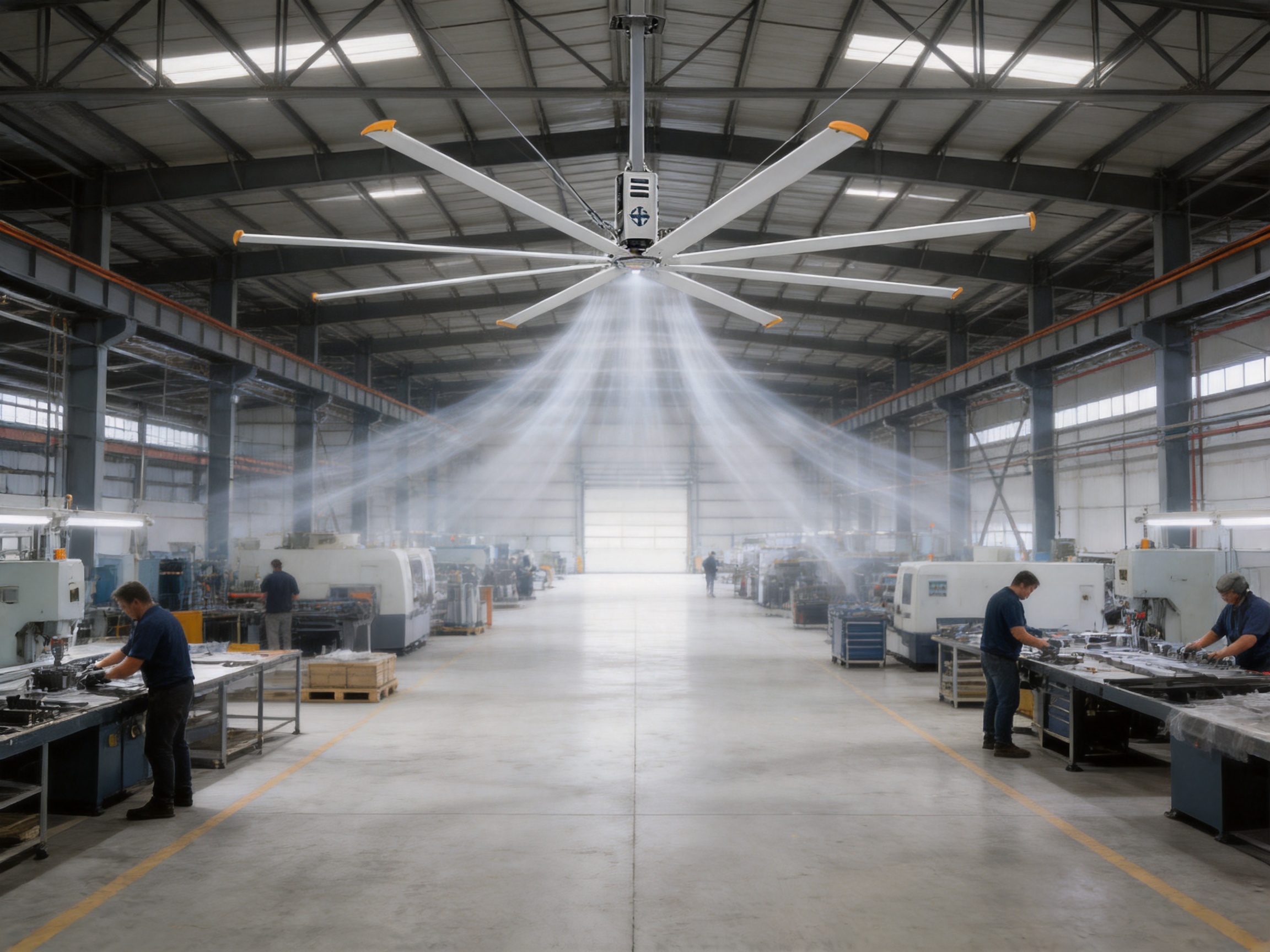
The fan’s operating speed ranges from 0 to 72 RPM. This broad adjustment range allows users to adapt airflow to current facility conditions rather than operating the fan at one fixed speed throughout the day.
During mild weather, a lower setting may be sufficient to maintain circulation and reduce stagnant air. During warmer periods, a higher setting can increase perceived cooling and improve mixing across the building. The appropriate setting may also change according to the number of occupants, production activity, humidity, machinery heat, door opening frequency, and the use of heating or cooling systems.
Variable control is an important advantage over basic single-speed fans. A single-speed unit may produce excessive airflow during cooler periods and insufficient airflow during hot conditions. Adjustable operation gives facility managers more control over comfort and energy management.
The product description emphasizes intelligent airflow control. In practical use, this means operators can adjust the fan according to the needs of different working environments, including temperature, humidity, and work intensity. A warehouse with limited occupancy may require a different speed from a manufacturing area with heat-generating equipment or a gymnasium filled with active users.
Speed adjustment should be managed in accordance with the installation manual and the approved control system. Operators should avoid sudden or inappropriate changes if the facility contains suspended materials, sensitive exhibits, lightweight packaging, or other objects that may be affected by airflow.
High-speed air movement is not always the best solution for a large indoor environment. Strong localized wind can disturb paperwork, lightweight products, dust-sensitive processes, or customer comfort. It may also make employees feel cold when they are close to the fan but leave other parts of the building insufficiently ventilated.
The low-speed operating principle of the 12-foot HVLS fan is intended to create smoother airflow. The fan moves air gradually and continuously rather than producing a sharp blast. This can make the indoor environment more comfortable for people who remain in the same area for long periods.
Low rotational speed can also contribute to quieter operation compared with many high-speed air-moving devices. The actual sound level depends on installation quality, structural support, motor condition, surrounding acoustics, and operating speed. Even so, the low-speed design helps reduce the aerodynamic disturbance normally associated with fast-moving blades.
Noise control is particularly valuable in offices connected to industrial areas, retail facilities, exhibition halls, classrooms, fitness centers, and production lines where communication is important. A quieter airflow system can support productivity and reduce the distraction associated with continuous mechanical noise.
One of the main reasons businesses consider HVLS fans is the possibility of improving air distribution with a relatively efficient air-moving method. The 1.1 kW motor is used to drive a large-diameter fan at low speed, allowing the unit to circulate air across a wide area.
Energy performance in a complete building depends on many factors, including insulation, outdoor temperature, building height, door operation, HVAC equipment, occupancy, maintenance, and fan scheduling. Therefore, no fan should be considered in isolation when estimating energy savings. However, effective air mixing may help existing heating and cooling systems perform more evenly.
In warm conditions, moving air across the skin can improve perceived comfort through evaporation. This may allow some facilities to maintain acceptable comfort at a higher thermostat setting, depending on local climate and workplace requirements. In cooler conditions, air destratification can help distribute warm air that has accumulated near the roof, potentially reducing temperature differences between the upper and lower levels of a building.
The ability to operate at different speeds is important for energy management. A facility does not need to run the fan at maximum speed when a lower setting provides adequate circulation. Scheduled operation, occupancy-based control, and integration with building management systems may further improve the usefulness of the product where suitable control equipment is available.
Conventional industrial fans remain useful for localized ventilation, extraction, or direct cooling. However, their operating characteristics differ from those of an HVLS ceiling fan. Understanding these differences helps facility managers select the correct equipment for each application.
| Factor | 12-Foot HVLS Ceiling Fan | Typical Small or Conventional Fan |
|---|---|---|
| Air distribution | Broad, low-speed circulation across a large area | More localized airflow with a narrower effective zone |
| Operating speed | 0–72 RPM | Often considerably higher |
| Airflow character | Smooth and gradual | Can be more concentrated or forceful |
| Mounting position | Ceiling-mounted above the occupied area | May occupy floor, wall, or lower-level space |
| Coverage strategy | Designed for large open areas | Often suited to local zones |
| Floor obstruction | Minimal floor-space impact | Floor-standing units occupy usable space |
| Air mixing | Supports vertical and horizontal circulation | May have limited influence outside the direct airflow path |
| Control flexibility | Variable speed for changing conditions | May offer fewer adjustment options |
The HVLS model is not automatically a replacement for exhaust fans, smoke-control equipment, process ventilation, or fresh-air systems. Those systems perform specific functions such as removing contaminants or supplying outdoor air. The HVLS fan is primarily an air circulation and distribution device. In a well-designed facility, it may operate alongside other ventilation equipment.
The product offers several advantages over less specialized alternatives. First, its large diameter allows it to influence a broad area from a single overhead position. Second, the six aluminum alloy blades are designed for large-volume air movement at low rotational speed. Third, the adjustable 0–72 RPM range enables operators to match airflow to real operating conditions.
Another advantage is the reduction of floor-level equipment. Portable pedestal fans and floor-standing blowers can interfere with walkways, forklifts, production lines, storage layouts, and cleaning operations. A ceiling-mounted HVLS fan keeps the floor more open while delivering airflow from above.
The fan can also provide a more uniform environment than several unrelated small fans. Multiple small fans may point in different directions and create areas of conflicting airflow. A properly positioned HVLS unit produces a broad circulation pattern that can be easier to plan and manage.
Compared with fixed-speed equipment, variable operation improves adaptability. A facility may need high airflow during a summer afternoon, moderate circulation during normal production, and low-speed mixing during cooler periods. The product can support these changing requirements without replacing the complete fan system.
Compared with high-speed units, the HVLS design can offer a more comfortable airflow experience. The goal is not simply to make air move quickly, but to make a large volume of air move evenly across the building.
Warehouses often contain high ceilings, tall storage racks, loading doors, and large open aisles. Temperature differences can develop between the roof and the working level, particularly when sunlight warms the roof or when doors are opened frequently.
An HVLS fan can support air mixing across storage and handling zones. Better circulation may improve working comfort for employees and reduce stagnant air around inventory areas. Fan placement must take account of rack height, sprinkler systems, lighting, lifting equipment, and forklift routes.
Manufacturing processes may generate heat through machinery, welding, motors, ovens, compressors, or other equipment. Workers may also move between areas with different thermal conditions. A large ceiling fan can help distribute air and reduce uncomfortable hot spots.
The fan should not be used as a substitute for dedicated extraction where fumes, dust, vapors, or process contaminants are present. Instead, it can supplement a properly designed ventilation system by improving general circulation and comfort.
Automotive workshops often have high ceilings, open vehicle bays, and doors that remain open during deliveries or vehicle movement. The 12-foot fan can help maintain air movement over a broad service area while leaving the floor clear for vehicles, tools, lifts, and technicians.
Because repair shops may contain oils, exhaust gases, solvents, and combustible materials, the facility should confirm that the selected fan and electrical installation are suitable for the actual environment. Specialized hazardous-area requirements may apply in some locations.
In agricultural buildings, air circulation can contribute to a more stable environment for livestock, crops, and stored materials. A broad, gentle airflow may be preferable to a concentrated blast that causes stress or disturbs bedding and lightweight materials.
Humidity, dust, ammonia, cleaning chemicals, and corrosive conditions should be evaluated before installation. Regular cleaning and inspection are especially important in agricultural environments.
Sports facilities require effective air circulation because physical activity increases heat and moisture generation. The large fan can distribute air over courts, training zones, and spectator areas, subject to the building’s ceiling height and safety requirements.
Designers should consider ball trajectories, suspended lighting, scoreboards, netting, acoustic panels, and emergency equipment. The fan must be installed at a safe height and position that does not interfere with sports activities or maintenance access.
Retail stores and exhibition halls may have large open interiors where visitor comfort affects the overall experience. A ceiling-mounted fan can provide quiet, unobtrusive circulation without taking up valuable display or customer space.
Exhibition venues may also need stable temperature and humidity conditions for sensitive displays. The HVLS fan can help mix air, but environmental limits for artwork, antiques, electronics, food products, or other exhibits should be managed through a complete climate-control strategy.
Food processing facilities often need careful humidity and temperature management. Air movement can help prevent stagnant zones, but hygiene, washdown procedures, corrosion resistance, and contamination control are essential considerations.
The final fan selection should be reviewed against the facility’s sanitation program and applicable food safety requirements. Protective finishes, cleaning access, and the location of the fan relative to open product must be considered during planning.
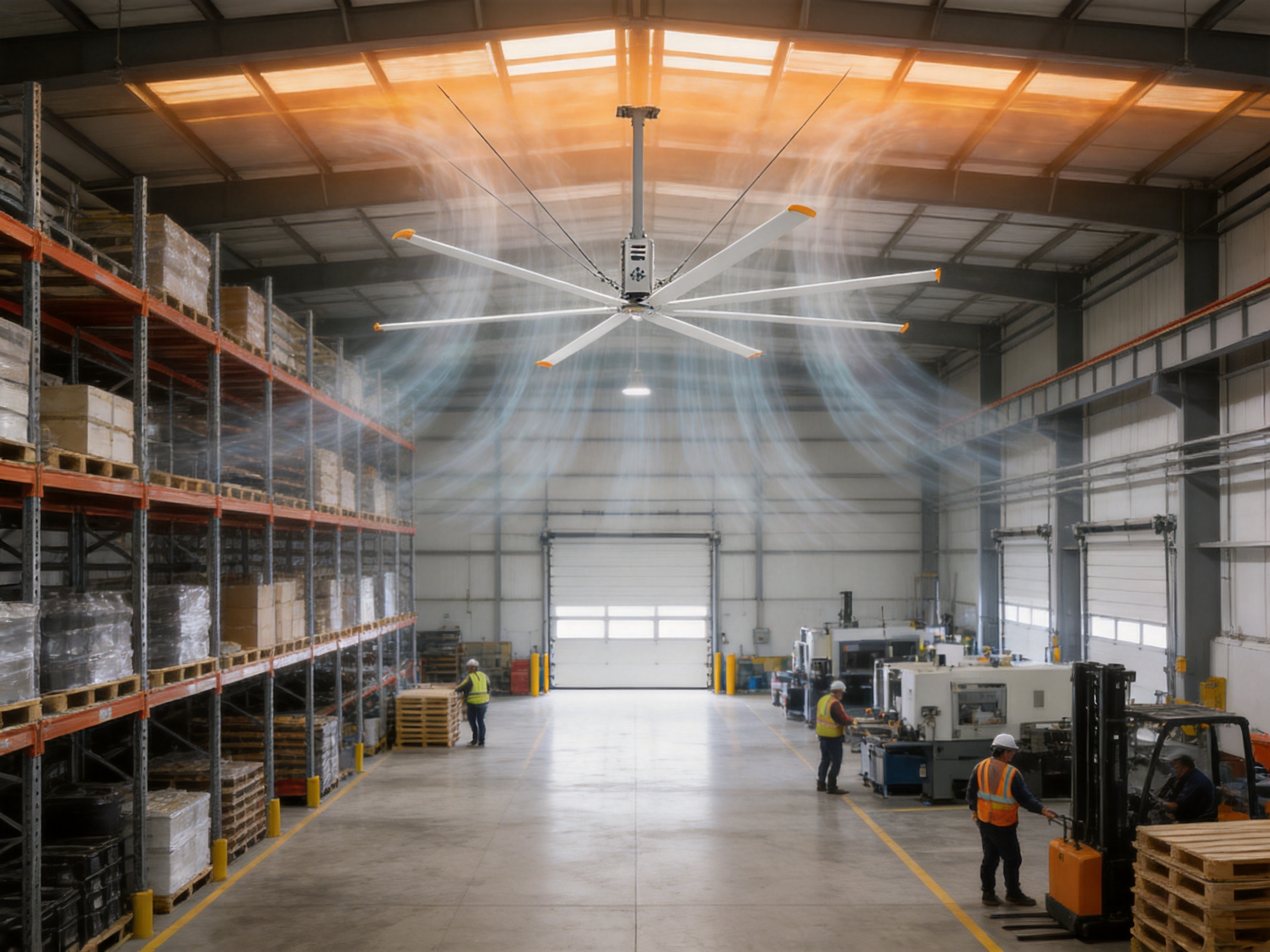
The product is manufactured by Shanghai Aipu Fans Co., Ltd., a company established in Shanghai, China, in 2006. The company focuses on industrial-grade ceiling fans and ventilation solutions for customers in different markets.
Its production base covers approximately 8,000 square meters and includes high-precision automated machinery, a machining center, a cutting center, a welding center, and a testing center. This combination of equipment supports a more controlled manufacturing process from component preparation to final inspection.
High-precision automated machinery can improve repeatability in production. Repeatable processing is particularly important for large fan assemblies because small variations in blade dimensions, mounting holes, shaft components, or structural parts may affect balance and vibration. Consistent manufacturing helps support reliable assembly across different production batches.
The machining center provides capabilities for accurately producing and finishing metal components. Dimensional accuracy is important for motor interfaces, hubs, brackets, shafts, and other components that must align correctly during assembly. Proper machining can reduce installation difficulties and support smoother mechanical operation.
The cutting center supports the preparation of metal materials used in structural and blade-related components. Controlled cutting helps maintain consistent dimensions and can reduce material waste. In an industrial fan, accurate component preparation is directly related to assembly quality and the final balance of the rotating system.
The welding center is used for structural fabrication. Welding quality influences the strength and stability of support brackets, frames, mounting assemblies, and other load-bearing components. Consistent welding procedures, appropriate inspection, and correct finishing are important for equipment intended to operate overhead.
The testing center provides a dedicated location for checking finished products and key performance characteristics. Testing may include inspection of electrical functions, mechanical operation, vibration, noise, control response, and overall assembly condition. The exact inspection process should be confirmed with the manufacturer for a specific order.
A reliable HVLS fan is not created by simply increasing the size of a conventional fan. Its blade geometry, motor selection, support structure, control system, rotation speed, and safety features must work together as one system.
The 12-foot model reflects an engineering approach centered on large-area air movement. The six-blade aluminum alloy rotor must be sufficiently rigid for normal operation while remaining appropriately balanced. The motor must provide the torque required to start and operate the large assembly. The support system must transfer the equipment load safely to the building structure.
Variable-speed operation also requires compatible electrical and control components. The control system must allow the operator to change speed smoothly and safely within the specified range. The fan’s electrical configuration should match the available site voltage and frequency, and all wiring should be completed by qualified professionals.
Industrial fan development also requires attention to serviceability. Components that may need inspection or replacement should be accessible through an appropriate maintenance process. Clear documentation, spare-parts support, and technical communication are valuable factors for international industrial customers.
A 12-foot fan with an approximate weight of 97 kilograms must be mounted to a suitable structural support system. It should never be attached only to a suspended ceiling grid, decorative ceiling material, or a support that has not been verified for the dynamic load.
Before installation, a qualified engineer or competent building professional should assess the roof structure, beams, mounting points, vibration conditions, ceiling height, and local building requirements. The installation method must account for both static weight and operating forces.
Safety clearances should be maintained from walls, beams, lighting fixtures, sprinkler heads, storage racks, doors, cranes, and other equipment. The fan should be positioned where the blades can rotate freely and where routine inspection can be performed safely.
Electrical installation should follow local codes and the manufacturer’s instructions. Correct grounding, circuit protection, isolation, wiring size, controller compatibility, and emergency shutoff arrangements are important. If the fan is installed in a dusty, humid, corrosive, or potentially hazardous location, the electrical protection requirements should be reviewed in detail.
After installation, the fan should be tested at low speed before operating across the full range. The installer should check for unusual vibration, noise, contact, loose fasteners, incorrect rotation, and control irregularities. Any abnormal condition should be corrected before normal operation begins.
Regular maintenance helps preserve airflow performance, reduce unplanned downtime, and extend the service life of the fan. A maintenance schedule should be adapted to the operating environment and the manufacturer’s instructions.
Operators should periodically inspect the blades, hub, fasteners, motor housing, support structure, wiring, and control components. Signs of corrosion, deformation, cracks, loose hardware, unusual wear, or contamination should be reported immediately.
Dust and deposits can accumulate on blades and motor surfaces, especially in workshops, warehouses, agricultural buildings, and manufacturing plants. Excessive buildup may affect balance and airflow. Cleaning should be performed with the fan isolated from its power supply and with methods appropriate for the materials and environment.
Vibration over time can affect fasteners and mounting components. Qualified maintenance personnel should check critical connections according to the recommended service interval. Any damaged or missing hardware should be replaced with approved parts.
Electrical connections, grounding, controllers, protective devices, and cable conditions should be reviewed by qualified personnel. Moisture, heat, dust, and mechanical damage can affect electrical reliability.
A gradual increase in noise or vibration may indicate blade imbalance, loose components, bearing issues, structural movement, or another mechanical problem. The fan should be stopped and inspected if the operating condition changes noticeably.
The fan is supplied in wooden cases. This packaging approach is intended to provide additional protection during handling, storage, and transportation. Large fan blades and structural components must be protected against bending, impact, moisture, and abrasion during shipment.
Customers should confirm the packing list, dimensions, gross weight, electrical configuration, control equipment, mounting accessories, and installation documentation before shipment. International projects may also require coordination regarding export packaging, customs documentation, unloading equipment, and site access.
Because HVLS fans are large industrial products, project support is important. Customers may need assistance with model selection, layout planning, voltage confirmation, ceiling height evaluation, mounting design, installation procedures, and spare-parts planning. The manufacturer provides OEM and ODM support, which can be useful when a project requires customized appearance, specifications, controls, packaging, or branding.
OEM and ODM services allow industrial customers, distributors, engineering contractors, and facility developers to adapt the product for specific market or project requirements. Customization may involve product appearance, labeling, packaging, control interfaces, electrical configuration, documentation, or other approved features.
Customization should be discussed before production begins because changes may affect engineering review, testing, lead time, minimum order quantity, certification, and cost. For projects involving multiple facilities, standardizing the fan configuration can simplify training, maintenance, and spare-parts management.
When requesting a customized solution, customers should provide information about building dimensions, ceiling height, ambient temperature, humidity, dust levels, corrosive substances, available voltage, frequency, operating schedule, desired control method, and local compliance requirements. Accurate project information helps the manufacturer determine whether the standard configuration is suitable or whether modifications are needed.
The 12-foot model is most appropriate for large open areas where a broad airflow pattern is beneficial. However, the correct installation configuration depends on more than floor area alone.
Ceiling height affects the shape and reach of the airflow pattern. Very low ceilings may require a different fan size or mounting arrangement, while extremely high ceilings may require careful evaluation of the drop length and air distribution. Structural obstructions can divide the room into separate airflow zones.
The number of fans should be based on the total building layout and the desired airflow level. A single fan may be suitable for a compact open area, while a large warehouse or plant may require multiple units arranged in a planned grid. Fan spacing should be evaluated to prevent excessive overlap or unserved areas.
Heat sources, occupied workstations, loading bays, storage racks, and ventilation openings should be mapped before installation. The objective is to produce useful air movement where people and processes need it, not merely to install fans at visually convenient points.
Industrial buyers should evaluate both the product and the supplier before placing an order. The following points can help organize a technical review.
| Purchasing Item | Questions to Confirm |
|---|---|
| Fan size | Is a 12-foot diameter suitable for the building dimensions and ceiling height? |
| Motor power | Does the 1.1 kW configuration match the required operating conditions? |
| Speed control | What control method is supplied, and how is the 0–72 RPM range adjusted? |
| Electrical supply | Is the site compatible with 220 V, 380 V, or 415 V at 50 Hz or 60 Hz? |
| Coverage | Has the approximate 380-square-meter coverage been reviewed against the site layout? |
| Structural support | Can the building support the fan and its operating loads? |
| Environment | Are humidity, dust, chemicals, temperature, and corrosion conditions acceptable? |
| Installation | Are qualified installers and suitable lifting equipment available? |
| Maintenance | Are inspection procedures, spare parts, and service support available? |
| Warranty | What does the three-year warranty cover, and what conditions apply? |
| Customization | Are OEM or ODM requirements needed for the project? |
| Packaging | Is wooden-case packaging suitable for the delivery route and storage conditions? |
A complete purchasing decision should consider total ownership cost rather than only the initial product price. Installation, electrical work, structural reinforcement, controls, maintenance, energy use, downtime risk, and warranty support can all influence the long-term value of an industrial ceiling fan.
Large industrial fans operate above people, products, and equipment, so manufacturing quality is directly related to safety and reliability. A supplier with dedicated production and testing resources is better positioned to control the consistency of components and the final assembly process.
The combination of an 8,000-square-meter production base, automated machinery, machining resources, cutting equipment, welding facilities, and a testing center provides a foundation for organized industrial production. It also supports the development of customized products for customers with different building types and electrical standards.
Manufacturing capability is especially important for large rotating equipment. Blade balance, motor alignment, structural strength, control performance, and packaging protection must all be considered. A weakness in any one area can affect the final operating result.
The company’s experience since 2006 also provides a long operating history in the industrial ceiling fan sector. Its focus on high-quality products, energy-efficient solutions, customer satisfaction, and international sales supports its role as a supplier for industrial ventilation projects.
Improved air circulation can contribute to a more comfortable workplace. Employees working in hot, stagnant, or unevenly ventilated areas may experience greater fatigue and discomfort. A well-designed airflow system can help create a more consistent environment across the working zone.
In warehouses and production facilities, better circulation may also help reduce localized humidity and temperature differences. In agricultural settings, balanced airflow can support environmental management for animals and stored materials. In commercial spaces, comfortable air movement can improve the experience of customers and visitors.
The environmental benefit of an HVLS fan depends on how it is operated and integrated with the building system. Variable-speed control allows the fan to run only as strongly as needed. When combined with efficient HVAC scheduling and proper building management, this can support a more responsible approach to energy use.
It is important to distinguish air circulation from air purification or fresh-air ventilation. An HVLS fan moves existing indoor air; it does not automatically remove contaminants or introduce outdoor air. Facilities with air-quality requirements should use the fan alongside suitable filtration, extraction, or fresh-air systems.
HVLS means high volume, low speed. It describes a fan that moves a large quantity of air across a broad area while rotating at a relatively low speed.
The fan has a diameter of approximately 3.8 meters, equal to 12 feet.
The specified motor power is 1.1 kW. Actual electrical consumption can vary according to operating speed, control settings, electrical conditions, and operating time.
The fan has six aluminum alloy blades designed for broad and efficient air movement.
The operating speed range is 0 to 72 RPM. Users can adjust the speed to suit temperature, humidity, occupancy, and work intensity.
The stated coverage area is approximately 380 square meters. Actual performance depends on ceiling height, building layout, obstructions, air temperature, ventilation systems, and installation arrangement.
No. The HVLS fan is primarily designed for air circulation and distribution. It should not replace dedicated exhaust, smoke-control, fume-removal, or fresh-air ventilation equipment where those systems are required.
Yes. Its large diameter and broad airflow pattern make it suitable for many warehouses, distribution centers, and storage facilities, provided the structure, clearances, and environmental conditions are appropriate.
Yes. It can support general air circulation and worker comfort in manufacturing environments. However, processes involving dust, fumes, vapors, or hazardous materials require separate ventilation and safety evaluations.
It may be suitable for agricultural buildings, but humidity, dust, ammonia, corrosion, cleaning procedures, and livestock safety should be reviewed before installation.
The listed voltage options are 220 V, 380 V, and 415 V, with 50 Hz or 60 Hz frequency options. The correct configuration must be confirmed according to the project location and electrical system.
The stated product weight is approximately 97 kilograms. The supporting structure must be assessed by qualified personnel before installation.
The product is packaged in wooden cases to help protect the fan and its components during transportation and handling.
Yes. OEM and ODM support is available. Customers should discuss customization requirements, technical specifications, packaging, documentation, and production conditions before ordering.
The listed warranty period is three years. Buyers should confirm the detailed warranty terms, exclusions, service procedures, and installation requirements with the supplier.
Maintenance should include visual inspection, cleaning, fastener checks, electrical inspection, and monitoring of sound and vibration. All maintenance must follow the manufacturer’s instructions and applicable safety procedures.
The 12-foot 1.1 kW HVLS industrial workshop ceiling fan is designed for large spaces that require broad, smooth, and adjustable air circulation. Its 3.8-meter diameter, six aluminum alloy blades, 0–72 RPM speed range, 380-square-meter stated coverage, and variable airflow control make it a practical solution for warehouses, workshops, manufacturing plants, sports facilities, agricultural buildings, retail spaces, exhibition halls, and other large indoor environments.
Its primary advantages over smaller or less specialized fans are wide coverage, low-speed operation, gentle airflow, reduced floor obstruction, and flexible control. The fan is intended to improve air distribution rather than simply create a powerful local draft. When properly selected and installed, it can support workplace comfort, temperature mixing, humidity management, and more effective use of existing heating or cooling systems.
The manufacturing resources behind the product are also important. An 8,000-square-meter production base with automated machinery, machining, cutting, welding, and testing facilities provides a foundation for consistent industrial production. Experience in industrial ceiling fans, OEM and ODM capability, multiple electrical configurations, wooden-case packaging, and a three-year warranty further support project-based purchasing.
Before installation, buyers should confirm the building structure, ceiling height, airflow requirements, electrical supply, environmental conditions, safety clearances, control method, and maintenance plan. With these factors properly evaluated, the 12-foot HVLS fan can become an effective part of a complete industrial ventilation and comfort strategy.
1. Product technical information supplied for the 12-foot 1.1 kW HVLS industrial workshop ceiling fan.
2. Manufacturer company information regarding industrial ceiling fan production, facilities, OEM services, and ODM services.
3. General principles of high-volume, low-speed fan operation and large-space air circulation.
4. General industrial ventilation planning practices for warehouses, workshops, manufacturing facilities, sports buildings, and agricultural structures.
5. General workplace equipment safety principles for overhead mechanical and electrical installations.
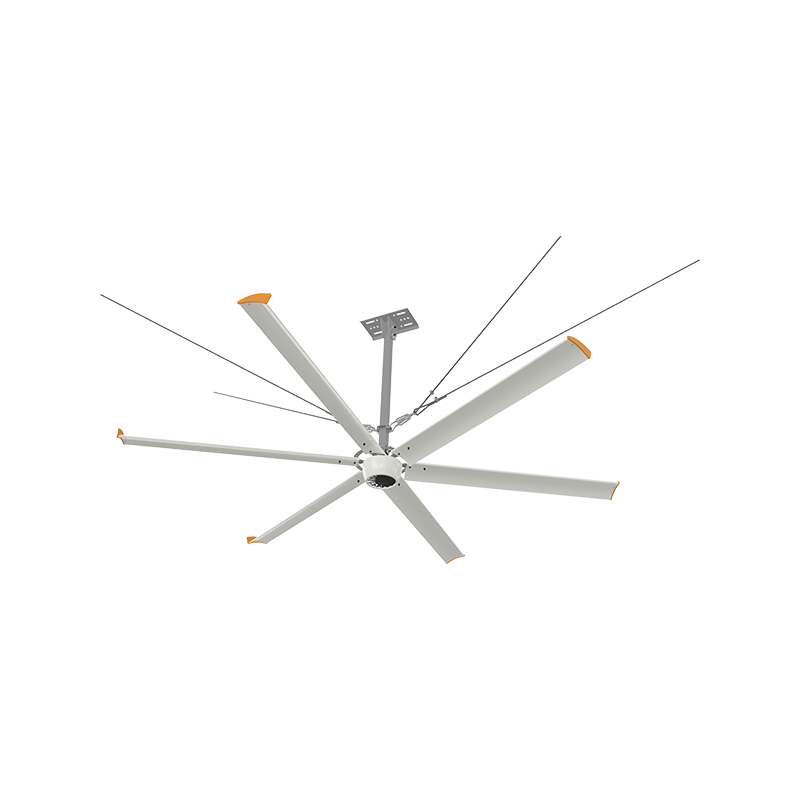
The 15-foot Even Airflow Industrial BLDC Ceiling Fan utilizes a high-efficiency BLDC motor and carefully designed blades. This ceiling fan operates with extremely low noise levels, making it suitable ...
The 12-foot 1.1kW HVLS industrial workshop ceiling fan has a blade diameter of 12 feet and features six aluminum alloy fan blades. Each blade is precisely designed to generate a large volume of airflo...
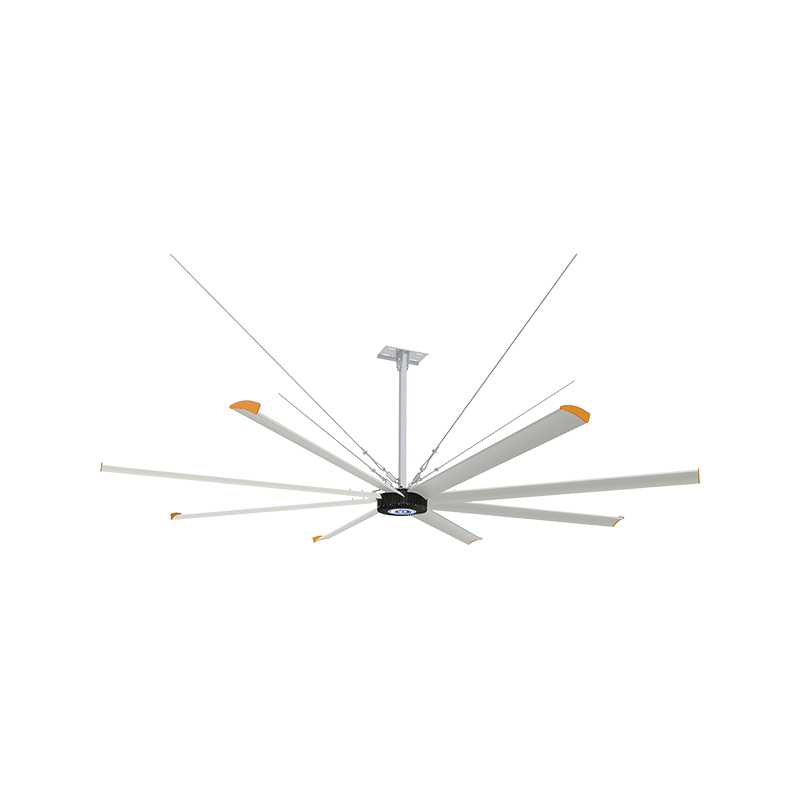
The 8-foot HVLS Large Industrial BLDC Ceiling Fan is equipped with a 0.3KW brushless DC motor, offering higher energy efficiency and lower noise levels. The lower power consumption design helps users ...
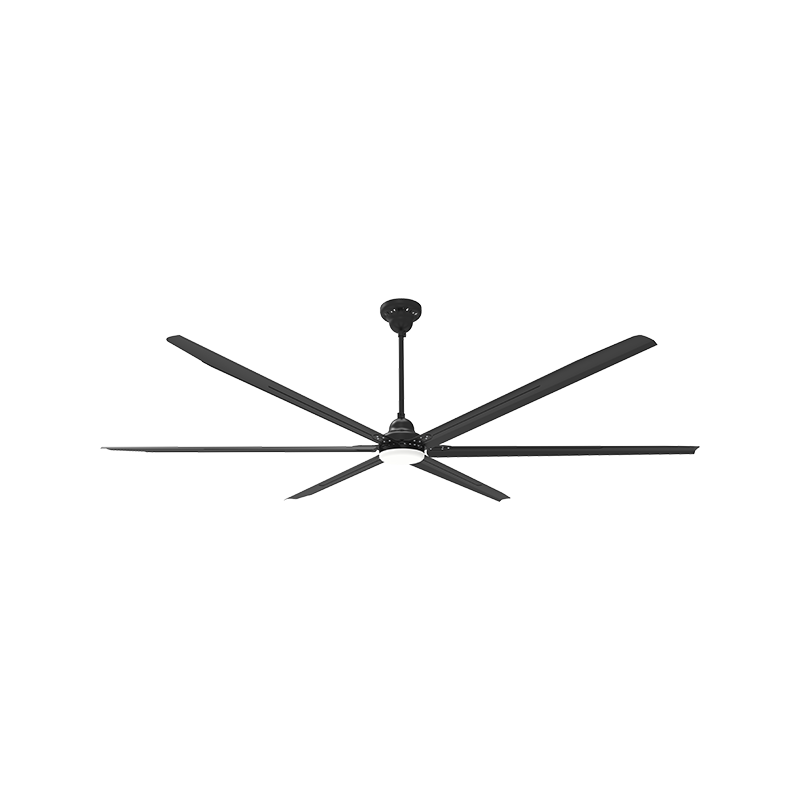
1. Core Technology: High Volume, Low SpeedNatural Breezes: Unlike the “harsh” wind from small fans, HVLS fans use massive blades rotating at low speeds to create a large-scale, three-dimensional breez...
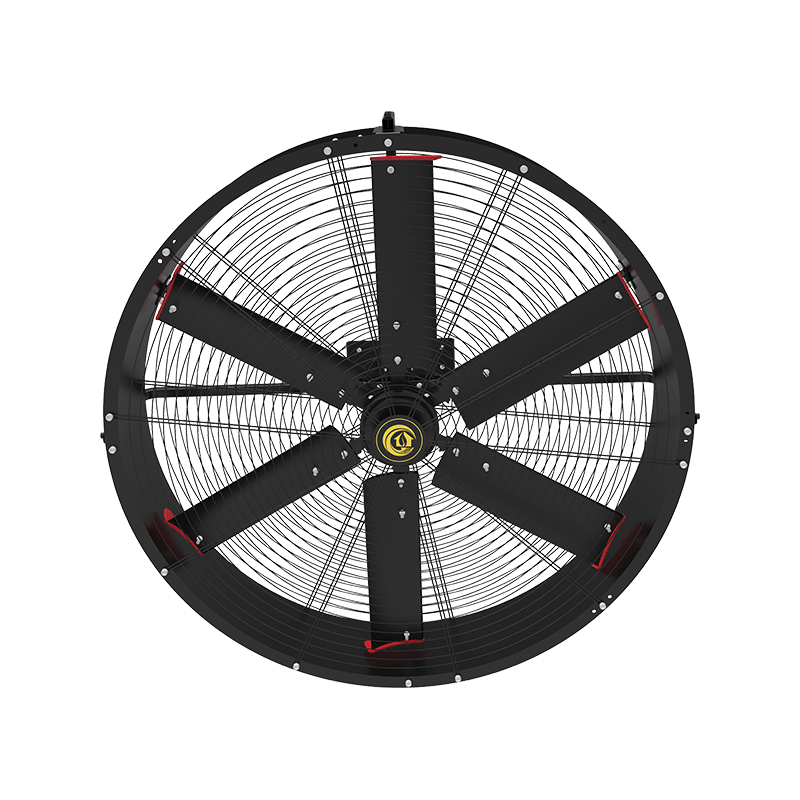
1. Extreme Airflow & Wide CoverageEquipped with massive 79-inch (2.0m) diameter aerospace-grade aluminum alloy blades. These precision-balanced blades generate a powerful, stable laminar airflow t...
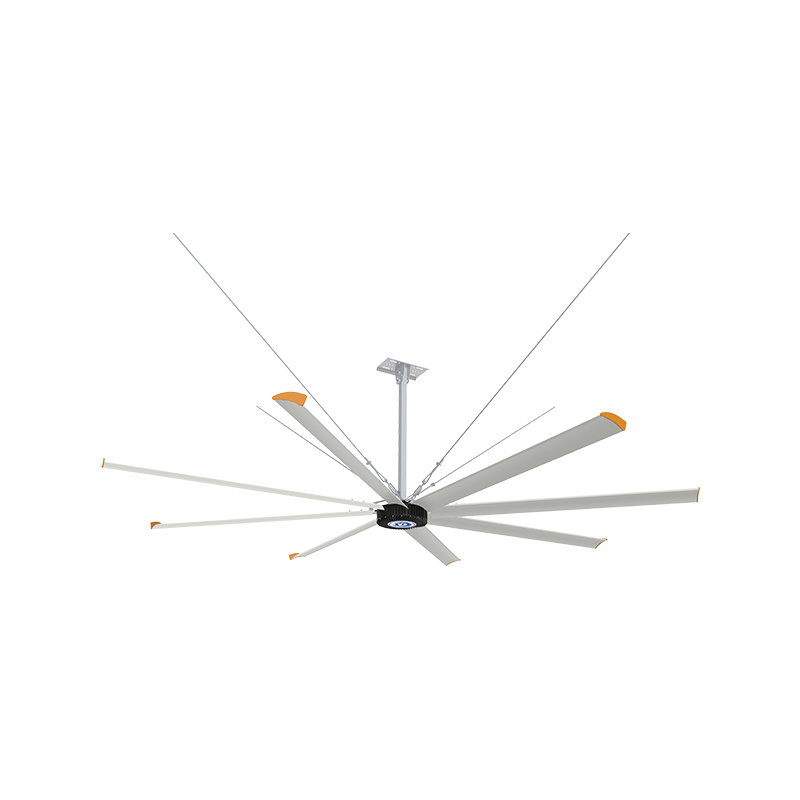
The 12-foot compact HVLS industrial BLDC ceiling fan provides more even and comfortable airflow through efficient, low-speed air distribution. Its design and construction are primarily geared towards ...
Specifying industrial air movement The HVLS Ceiling Fan Isn’t a Big Ceiling Fan. Sizing, motor selection, and mounting height have to work together before a large industrial space can feel genuinely...
READ MORECommercial HVLS Fans: The Quiet Engineering Behind Large-Space Airflow A practical guide to selecting high-volume, low-speed ceiling fans for warehouses, factories, and commercial halls — with the ef...
READ MOREShanghai Aipu Fans Co., Ltd., established in Shanghai in 2006, focuses on manufacturing industrial-grade high-quality ceiling fans, relying on industry-leading motor technology and advanced manufactu...
READ MOREBig Fans, Low Speed, Real Results: HVLS Industrial Fans Explained When a factory floor hits 34°C, small fans only move hot air around. Large-diameter HVLS ceiling fans do the opposite: they push a t...
READ MORE Custom Large Industrial Fans Manufacturers